

Vehicles parked outdoors face constant exposure to sunlight, rain, hail, falling debris, bird droppings, tree sap, and changing temperatures. Over time, these conditions can affect the paint, interior materials, windshield, tires, and overall appearance of a car. A properly designed carport creates a covered parking area that reduces this daily exposure.
Understanding how carports protect vehicles can help homeowners decide whether adding one to their property is a practical investment. Although a carport does not fully enclose a vehicle like a garage, it provides meaningful protection from many common outdoor hazards. It can also make parking more comfortable and help reduce the amount of cleaning and maintenance a vehicle requires.
Vehicle Protection Benefits Provided by a Carport
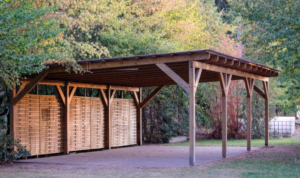
A carport usually consists of a roof supported by posts or structural framing. It may be attached to a home or built as a freestanding structure near a driveway or parking area. Some carports have completely open sides, while others include partial walls or panels for additional coverage.
The amount of protection depends on the size, roof design, placement, and orientation of the structure. A properly positioned carport should provide enough coverage for the entire vehicle while allowing convenient access.
Reduces Direct Sun Exposure
Constant sunlight can gradually damage both the exterior and interior of a vehicle. Ultraviolet rays may cause paint to fade, clear coats to weaken, and plastic trim to lose its original appearance.
The inside of a vehicle can also become extremely hot after sitting in direct sunlight. High temperatures may contribute to cracked dashboards, faded upholstery, worn steering wheel materials, and damage to electronic components.
A carport roof creates shade throughout much of the day. This helps keep the vehicle cooler and reduces direct ultraviolet exposure. Drivers may also find the car more comfortable when entering it during hot weather.
Provides Coverage from Rain
Rain can leave water spots, streaks, dirt, and mineral residue on a vehicle’s surface. Frequent moisture can also affect exposed metal areas, especially when existing paint chips or scratches are present.
A carport helps prevent direct rainfall from reaching most of the vehicle. Open sides may still allow some wind-driven rain to enter, but the roof provides substantial protection during normal weather conditions.
Covered parking also makes daily routines easier. Homeowners can enter the vehicle, load groceries, secure children, or unload belongings without standing directly in the rain.
Limits Hail and Storm Damage
Hail can cause dents, cracked glass, chipped paint, and damage to mirrors or exterior trim. Even small hailstones can leave visible marks when they strike a vehicle repeatedly.
One of the most important examples of how carports protect vehicles is the coverage they provide during hailstorms. A durable roof can absorb the direct impact that would otherwise reach the car.
The carport must be built with suitable roofing materials and secure structural connections. A weak or poorly anchored structure may not provide reliable protection during severe weather.
Shields Vehicles from Falling Debris
Vehicles parked beneath trees may be exposed to leaves, branches, seeds, bird droppings, and tree sap. These materials can make the surface difficult to clean and may damage the paint if they remain for long periods.
Falling twigs and branches may also scratch the roof, hood, or windshield. A carport creates a physical barrier between the vehicle and overhead debris.
Keeping leaves and organic material off the vehicle may also reduce buildup around windshield wipers, air vents, and drainage channels.
Helps Protect the Windshield and Windows
Sudden temperature changes can place stress on vehicle glass. A windshield that becomes extremely hot in direct sunlight may be more vulnerable when exposed to cold water or rapid cooling.
Shade from a carport helps control the temperature of the windshield and windows. It also reduces the likelihood of direct impact from hail, branches, and other falling objects.
While a carport cannot prevent every type of glass damage, it lowers exposure to several common causes.
Supports Better Interior Comfort
A shaded vehicle generally requires less time to cool down. Seats, seat belt buckles, steering wheels, and dashboards may remain at more comfortable temperatures.
This benefit is especially useful for families with children, older passengers, or pets. It can also reduce the strain placed on the air conditioning system when the car first starts.
A cooler interior does not only improve comfort. It may also help protect leather, vinyl, fabric, screens, and other materials from heat-related wear.
Helps Keep Vehicles Cleaner
Outdoor vehicles often collect dust, pollen, leaves, bird droppings, and moisture. Regular exposure can make washing and detailing necessary more often.
A carport limits the amount of debris that lands directly on the vehicle. Although the car will still need routine cleaning, covered parking can help it remain cleaner between washes.
This can be especially helpful for homeowners who park near trees or in areas with frequent pollen and airborne debris.
Protects More Than Cars
Carports can be designed to protect many types of vehicles. Larger structures may provide coverage for trucks, motorcycles, boats, trailers, recreational vehicles, or work equipment.
The height and width should be selected according to the vehicle being stored. Adequate clearance is important for safe entry, door movement, and long-term use.
A custom design allows homeowners to create covered parking that fits their current needs while leaving room for future changes.

Why Proper Design and Installation Matter
The effectiveness of a carport depends on how well it is planned and built. The roof should extend far enough to provide useful coverage, and the posts should not interfere with vehicle access.
The structure also needs secure anchoring, strong framing, suitable roofing materials, and proper drainage. Gutters and downspouts may be added to direct water away from the parking area and foundation.
Understanding how carports protect vehicles also means recognizing the importance of professional installation. A properly constructed carport can provide reliable shade, weather coverage, and everyday convenience for many years.
Add Covered Parking with AllGood Roofing & Additions
A well-built carport can protect your vehicle from direct sunlight, rain, hail, falling debris, and heat while adding practical covered space to your property. AllGood Roofing & Additions can help you plan a carport that matches your parking needs, available space, and preferred design.
Call AllGood Roofing & Additions at (512) 458-4353 to discuss your carport project and schedule a consultation.