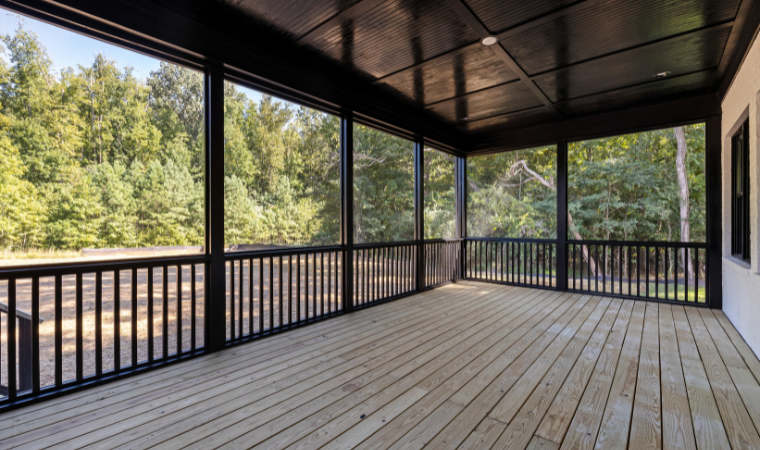
Choosing a patio cover may seem simple on the surface, but homeowners soon learn that this decision shapes how the outdoor area looks, feels, and ages over time.
The two materials most often compared are aluminum and wood, and both offer distinct advantages depending on the style and maintenance level in mind.
This guide breaks down everything people ask about in an aluminum vs wood patio cover comparison using real-world insights.
All Good Roofing and Additions has installed countless patio covers across different neighborhoods and climates. That experience gives us a clear view of how these materials perform over time, helping homeowners choose a cover that fits their lifestyle and budget.
What Is a Patio Cover?
Before comparing materials, it helps to define what a patio cover actually is. A patio cover is a permanent structure attached to the home or freestanding beside it.
Unlike umbrellas or temporary shade sails, a patio cover stays in place year-round and provides reliable shade, weather protection, and a structure for lighting, fans, outdoor seating, and more.
Patio covers can be open with slats, fully solid, or something in between. They can stretch across a small seating area or span the width of a large backyard patio.
Because of their versatility, homeowners use patio covers to support everything from outdoor kitchens to cozy relaxation corners.
Materials make all the difference. Wood has been a favorite for decades due to its warm appearance, while aluminum has grown in popularity thanks to its durability and modern design options.
Both can elevate a backyard, but each material affects how the space holds up over time.
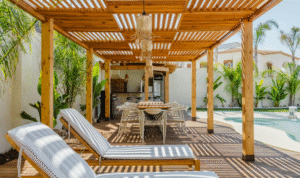
Why People Compare Aluminum and Wood
Most homeowners start their search by comparing modern aluminum patio covers with traditional wood structures. The two materials offer drastically different experiences:
- Wood offers a natural, warm aesthetic that complements classic or rustic homes.
- Aluminum provides a clean, modern look and is engineered to resist many of the problems wood can develop.
Both can create a beautiful outdoor space, but the right choice depends on what the homeowner values most: appearance, longevity, low maintenance, upfront cost, or long-term durability.
Durability Breakdown: Which Lasts Longer?
Wood Patio Covers
Wood is one of the most visually appealing building materials, but it reacts to the environment. Over time, sunlight, moisture, and temperature changes can lead to:
- Warping
- Splitting
- Termite exposure
- Fading
- Rot if left untreated
Even high-quality lumber needs regular sealing or painting to stay in good shape.
There’s no doubt that wood can last for many years, and many homeowners find the look worth the extra effort. But it’s important to understand that wood requires ongoing care, especially in areas with high humidity or intense sun exposure.
Aluminum Patio Covers
Aluminum offers a drastically different experience. It resists the issues listed above and holds its shape through long-term environmental stress. Well-made aluminum covers are built to withstand heat, moisture, and constant UV exposure.
This is one reason modern aluminum patio covers have become so popular. They don’t warp, rot, peel, or attract insects.
Powder-coated finishes also keep aluminum looking clean and smooth for many years. Homeowners often appreciate that aluminum maintains its appearance with minimal effort.
Verdict on Durability
Aluminum outperforms wood in long-term durability, especially in climates with intense sun, unpredictable weather, or high moisture. Wood can still be a solid choice for homeowners who want a natural look and are comfortable with periodic maintenance.
Cost Comparison: Upfront and Long-Term
Upfront Cost: Wood vs Aluminum
Wood patio covers can vary widely in price depending on the type of lumber used. Pressure-treated wood is generally less expensive but needs more upkeep. Cedar and redwood cost more upfront but resist decay better.
Aluminum patio covers, including kits, often cost more upfront than bare wood builds. However, the price difference shrinks when considering the long-term maintenance demands of wood.
Long-Term Cost: What Homeowners Actually Spend Over Time
With wood, homeowners usually expect recurring costs for:
- Stain or paint
- Repairs
- Termite treatments in some areas
Replacement boards or beams
These costs continue for as long as the patio cover stands.
Meanwhile, aluminum has lower long-term expenses. The finish doesn’t require repainting, and the structure rarely needs repairs unless damaged by external force.
Many homeowners choose aluminum because they want to install their patio cover once and enjoy it without constant upkeep.
Cost Verdict
Wood may cost less upfront, depending on the materials chosen, but aluminum generally delivers greater long-term value due to reduced maintenance costs.
How Each Material Affects Backyard Style
The Look and Feel of Wood
Wood provides a traditional, warm outdoor aesthetic. Many homeowners like that wood can be cut, shaped, and painted in countless ways. It blends naturally with gardens, older homes, and neighborhoods where classic architecture is typical.
For those who want a timeless, natural look, wood still dominates the conversation.
The Look and Feel of Aluminum
Aluminum provides a cleaner, more modern appearance. Homeowners who prefer a contemporary design often choose custom aluminum patio covers because the streamlined finish fits today’s architectural trends.
Aluminum also pairs exceptionally well with outdoor additions such as:
- Sunrooms
- Patio enclosures
- Covered seating areas
- Outdoor kitchens
It has become a favorite among homeowners who want a sleek, modern outdoor space with minimal upkeep.
Aluminum vs Wood Patio Cover Kits
Aluminum Patio Cover Kits
These kits have surged in popularity because they simplify installation. Homeowners like them because they are:
- Easier to assemble
- Lightweight
- Weather-resistant
- Available in modern finishes
- Low-maintenance
Kits are often preferred for DIY-friendly installations or for homeowners who want a clean, consistent look without custom carpentry.
Wood Patio Cover Kits
Wood kits are also available, but less common. Homeowners who choose wood patio cover kits typically enjoy woodworking themselves or prefer a natural material, without hiring a carpenter.
However, wood kits still require:
- Sanding
- Painting or staining
- Periodic upkeep
The kit provides the structure, but the long-term care remains the same.
Kit Verdict
Aluminum kits are easier to install and require less work before and after installation. Wood kits appeal to homeowners who enjoy hands-on projects and want a more natural finish.
How All Good Roofing and Additions Helps Homeowners Choose
Our team works with both materials and can walk homeowners through the strengths, limitations, and long-term expectations of each option.
Whether someone is looking for modern aluminum patio covers, custom aluminum patio covers, classic wood builds, enclosures, or full sunroom conversions, we guide them based on real experience and predictable performance, not trends or temporary preferences.
Outdoor spaces should feel inviting, balanced, and built for real-life use. By helping homeowners understand how aluminum and wood perform, we make it easier to choose a patio cover that fits both lifestyle and budget.