Patio covers have become one of the most practical upgrades for homeowners seeking a comfortable outdoor area without sacrificing shade or weather protection.
Many families find that the right cover significantly changes how often they use their backyard. Others see it as an investment that expands their living space in a simple, functional way.
As professional builders who have installed every style imaginable across Central Texas, we’ve seen how much this single decision impacts the entire project.
This guide explains how each type works, where it performs best, and what homeowners should consider before finalizing their choice.
Understanding the Difference: Attached vs Free-Standing Patio Covers
Most homeowners narrow their options to two main categories: attached and free-standing patio covers. Both offer strong advantages. Both can be built with wood, aluminum, or metal. Yet each option fits different needs, budgets, layouts, and long-term plans.
What Is an Attached Patio Cover?
An attached patio cover connects directly to the house. This connection can be made at the wall or roofline, creating either a wall-mounted or roof-mounted patio cover.
Many homeowners prefer this style because it feels like a natural extension of the home, similar to a permanent outdoor room.

How Attached Patio Covers Function
These structures rely on the home’s framing for part of their support. Because they tie into the home itself, they can provide:
- Seamless aesthetic continuity
- Excellent stability
- Strong overhead protection
- A comfortable transition between indoors and outdoors
An attached cover works exceptionally well for homeowners who want shade right outside the back door, need reliable rain protection, or want to build a future enclosure or sunroom in the same footprint.
Types of Attached Patio Covers
- Attached Wood Patio Covers
Wood remains one of the most requested materials for attached structures. It creates a warm, natural look that pairs well with traditional homes, craftsman-style exteriors, or large patios that need visual presence.
Builders often choose cedar or redwood because they handle weather well and accept staining evenly. Wood is heavier than aluminum or metal, so it requires careful planning at the attachment point.
When built correctly, however, an attached wood structure can last for many years and support insulation, fans, lights, and decorative elements.
- Wall-Mounted Patio Cover
A wall-mounted style relies on a ledger board fastened to the home’s exterior wall. This approach is ideal for homes with a clean vertical surface and no roofline interference. It maintains a consistent height and simplifies gutter integration.
- Roof-Mounted Patio Cover
A roof-mounted cover attaches higher, often requiring flashing at the shingles. This version is useful when a homeowner wants more ceiling height, a better pitch for water runoff, or an upgraded appearance that blends with the roofline.
All Good Roofing and Additions often recommends roof-mounted options for homeowners who want to match the shape, pitch, or materials of their existing roof, especially if they plan to extend the overall structure later.
What Is a Free-Standing Patio Cover?
A free-standing patio cover is built independently of the house. It has its own posts, beams, and footing system. Many homeowners choose this style to create a flexible outdoor spot away from the main structure.
Free-standing covers work well near pools, gardens, outdoor kitchens, or open spaces where shade is needed. Some families prefer this setup because it prevents changes to the home’s exterior or roofline.
Types of Free-Standing Patio Covers
- Free-Standing Aluminum Patio Covers
Aluminum offers an excellent balance of durability, weather resistance, and low maintenance. Free-standing aluminum patio covers remain popular because they withstand sun exposure without requiring regular staining or sealing.
Homeowners who want a modern appearance or long-term, low-maintenance shade often lean in this direction.
- Free-Standing Metal Patio Covers
Metal is frequently used for ranch-style properties or large outdoor spaces that face intense sun or occasional storms.
Metal panels create strong coverage and a cooler shaded environment compared to thinner materials. Because metal spans greater distances with fewer supports, it is well-suited to larger areas.
- Free-Standing Wood Covers
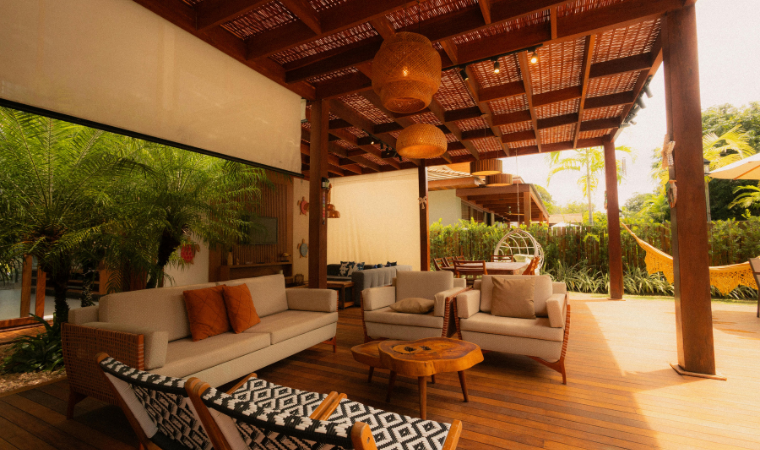
Some homeowners prefer wood for its warmth and architectural feel. A free-standing wood structure can be shaped as a pergola, a solid-roof pavilion, or a hybrid design. Posts can be thicker and more decorative, giving the outdoor space a strong visual anchor.

Attached vs Free-Standing: What’s the Real Difference?
-
Appearance and Design Flow
Attached covers feel like part of the house. They visually continue the home’s roofline or fascia, making the patio feel like an outdoor extension of the living room.
Great for homes with a defined patio, homeowners who want a cohesive look, or anyone planning a future sunroom or enclosed patio.
Meanwhile, free-standing structures create a separate destination in the yard. They allow homeowners to shape a second hangout space or frame a feature such as a fire pit or pool.
They’re great for large backyards, outdoor kitchens, garden or poolside seating, and homes without good attachment points.
Space Planning and Functionality
The attached covers are practical for daily use. Because they sit next to the house, they’re easy to access and perfect for grilling, dining, or relaxing right outside the door.
They also add shelter for sliding doors and windows, helping reduce heat gain indoors during hot months.
On the other hand, freestanding covers create intentional zones, such as a shaded lounge near the pool or a peaceful reading spot overlooking the yard. They also work for homeowners who have limited deck space near the house but plenty of yard space farther away.
Which Patio Cover Should You Choose?
Here’s what experience has shown:
Choose an Attached Patio Cover If You Want:
- A seamless look that feels like part of the home
- The shade is located right outside the door
- A potential future sunroom or enclosure
- Strong protection from rain and heat
- Lighting or ceiling fans integrated into the structure
Attached covers are best for homeowners who prioritize daily shade, grilling convenience, or reducing indoor heat in summer.
Choose a Free-Standing Patio Cover If You Want:
- A shaded lounge space away from the house
- Better airflow for covered seating
- Flexibility in placement
- A structure for poolside areas, gardens, or outdoor kitchens
- Minimal changes to the house itself
Free-standing covers also work well for families who want a second outdoor spot separate from the central patio. Both free-standing aluminum and metal patio covers deliver strong weather performance with minimal maintenance.
Final Thoughts
Choosing between an attached and a free-standing patio cover is more than a design preference. It’s about how the family uses the yard, where shade is needed most, and whether the cover should blend with the house or stand on its own as a separate outdoor space.
Both options provide comfort, value, and an improved outdoor experience. The right choice depends on layout, lifestyle, and long-term goals.
With thoughtful planning and expert installation, either approach can transform a backyard into a more enjoyable, functional extension of the home.
If homeowners are still unsure which direction fits best, All Good Roofing and Additions helps evaluate the entire space, discuss materials, and design a cover that suits daily use.