
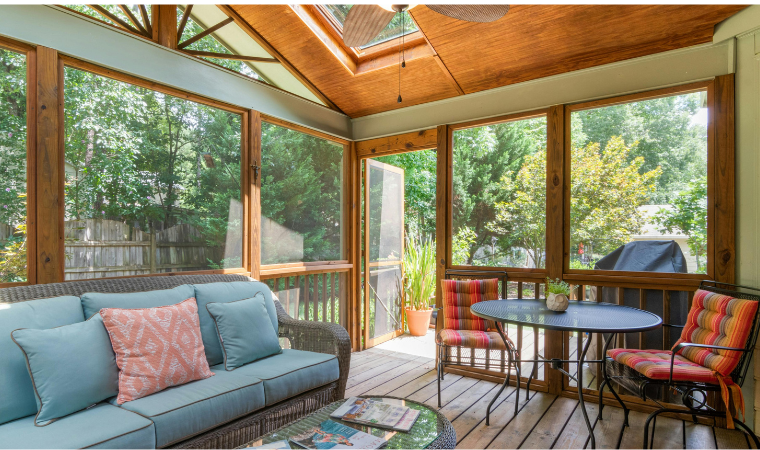
A covered patio is already one of the most used spots in the house. It is where mornings start, where kids spread out toys, and where friends end up after dinner.
It makes sense that many homeowners consider converting a patio into a room once they realize they want that space to work in more seasons, with fewer excuses for the weather.
From a builder’s point of view, converting a patio to a room is less about “closing it in” and more about upgrading an outdoor structure into a space that performs like the rest of your home.
That means managing water, wind, heat, and structural loads, while also meeting local code and inspection requirements. When this project is done well, it looks like it was always part of the original home.
This guide outlines what to expect, which decisions matter most, and why professional installation makes a real difference.
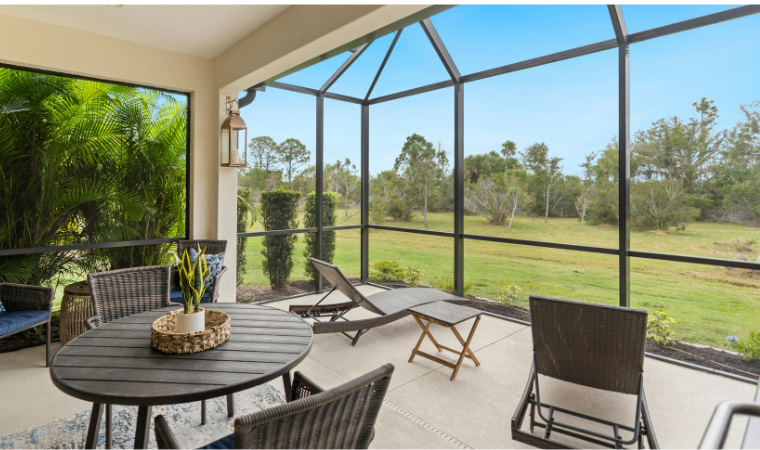
Why Homeowners Choose to Convert a Patio to a Room
People pursue converting a patio to a room for different reasons, but the most common motivations fall into a few categories:
- Expanding living space without the footprint of a complete addition
- Building a sunroom that lets natural light in while offering weather protection
- Adding a playroom, office, or hobby space that feels connected to the outdoors
- Increasing comfort with proper insulation, walls, and temperature control
- Improving home value with a functional, enclosed structure
A patio is already a defined space, which makes the concept feel faster and more accessible. However, converting an outdoor area into a conditioned living space requires the same level of craftsmanship as a proper home addition.
That means structural checks, electrical work, insulation, and attention to long-term durability.
All Good Roofing and Additions helps homeowners understand what’s possible based on patio type, roof structure, and the home’s current condition. That early guidance prevents costly surprises later.
Understanding the Patio You’re Starting With
Before any builder discusses layouts or finishes, the first step is evaluating the patio’s condition. Every successful project starts with a clear understanding of what already exists.
1. Is the Patio Slab Room-Ready?
A patio slab usually isn’t built with indoor flooring in mind. Issues that commonly need correction include:
- Slabs that slope away from the house for drainage
- Hairline cracks that widen over time
- Concrete that isn’t thick enough for framing
- No vapor barrier beneath the slab
If the slab isn’t suitable for room construction, a builder might reinforce it or pour a new foundation section. Skipping this step can lead to flooring issues, cracked walls, or moisture problems later.
2. What Type of Patio Cover Exists?
Some homes have simple aluminum covers, others have fully framed roofs. This affects the next steps because:
- Lightweight covers usually can’t support new walls or windows
- Wood-framed roofs may already be structurally compatible
- Roof pitch and drainage influence window placement and sunroom options
- Electrical upgrades depend on whether the existing roof already has wiring
Upgrading a cover or converting it into a solid roof is one of the most critical stages. That’s why professional evaluation is essential upfront.
3. How Will the New Room Connect With the House?
This is where homeowners often underestimate the work involved. A room conversion requires:
- Matching the home’s exterior
- Integrating HVAC
- Running electrical wiring safely
- Aligning the flooring height
- Creating a clean structural tie-in
A patio may appear simple from the outside, but creating a comfortable, code-compliant interior space requires several layers of construction.
Common Misconceptions About Patio-to-Room Conversions
Despite the popularity of this upgrade, several misunderstandings can create unrealistic expectations. Here are the ones we see most often.
1. “It’s cheaper than a room addition.”
Sometimes it is, but not always. Once a patio becomes a conditioned living space, the project requires the same standards as any room in the home. HVAC, wiring, roofing, and insulation add cost, but they’re needed for long-term comfort.
2. “It only takes a few days.”
A proper conversion goes through planning, permitting, structural work, and detailed finishing. Rushing this process leads to future problems.
3. “Any contractor can do it.”
Patio conversions require roofing expertise, framing skills, electrical and HVAC integration, and experience in safely integrating the new structure into the existing home. This is why choosing a team with expertise in patio enclosures, such as All Good Roofing and Additions, matters.
4. “Glass sunrooms don’t need insulation.”
Even a bright sunroom can feel uncomfortable without the right materials. Insulated glass and correct sealing determine how usable the room is throughout the year.
What Impacts the Cost of Converting a Patio to a Room
Every project has different needs, but here are the biggest factors that influence final cost:
Structural Requirements
- Reinforcing or replacing the patio slab
- Upgrading the patio roof
- Adding support beams for large windows
Choice of Windows and Doors
- Standard windows vs. insulated glass
- Sliding doors vs. hinged doors
- Sunroom-grade full glass walls
Electrical and HVAC
- Whether new circuits are needed
- Cost of adding a mini-split heating and cooling unit
Interior Finish Options
- Flooring type
- Drywall vs. paneling
- Ceiling upgrades
Local Permit Fees
Local permit fees are required in many cities, as the conversion creates new living space.
Professional builders walk homeowners through these variables before the project begins. Good communication helps avoid hidden surprises and allows the homeowner to choose the design that best fits their goals.
Patio-to-Sunroom Conversions: What’s Different?
Some homeowners want a bright, open space, which leads them to convert a patio to a sunroom or convert a covered patio to a sunroom. These projects share many of the same steps as a full room conversion, but there are a few added considerations:
Sunroom-Specific Factors
- Glass type affects temperature and lighting
- Window placement determines airflow
- Shade and privacy must be planned early
- Insulated frames are essential for comfort
Sunrooms are beautiful, but they must be built correctly to avoid overheating or feeling too cold. That balance is achieved through careful selection of windows, roofing, and insulation.
How Long Does It Take to Convert a Patio?
The timeline depends on size, materials, and existing conditions, but most professional projects follow this general range:
- Permits and planning: 1–3 weeks
- Foundation and roofing upgrades: 1–2 weeks
- Framing and structural work: 1 week
- Electrical, insulation, HVAC: 1 week
- Windows, doors, and finishing: 1–2 weeks
In total, homeowners can expect three to six weeks for a complete project.
What Homeowners Should Expect
Converting a patio to a room is one of the most rewarding upgrades a homeowner can invest in. It adds livable space, improves comfort, and revitalizes an underutilized area.
However, it requires skilled construction, proper planning, and a team that understands structural and code requirements.
A patio isn’t a finished space, so turning it into one demands craftsmanship across roofing, framing, electrical work, HVAC, and finishing. When done professionally, the results are long-lasting and comfortable year-round.
If homeowners want guidance, planning assistance, or expert construction, All Good Roofing and Additions offers patio enclosures, sunrooms, and room-conversion services backed by years of experience in thiswork.