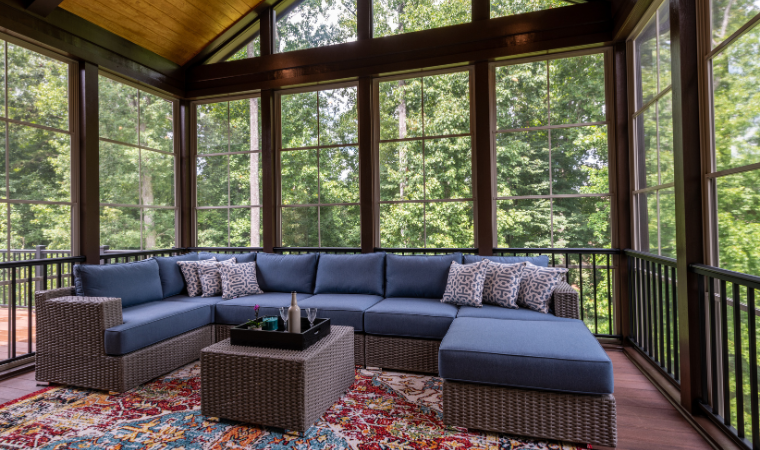
If you’ve been thinking about adding a patio cover or enclosing your patio, you’re probably asking the same question homeowners ask us on their first visit: “Do I need a permit for a patio cover?”
It sounds simple, but rules vary by city across Texas, and the answer depends on several factors. Over the years, we’ve seen homeowners get confused because one neighbor needed a permit and another didn’t, or an HOA approved a structure while the city required changes.
In this guide, we’re breaking down the requirements in a way that reflects what we see on real-world projects. We want you to feel clear, informed, and confident as you plan your upgrade.
Why Permits Matter for Patio Projects in Texas
Before jumping into city rules and codes, let’s talk about why permits matter in the first place. Many homeowners assume the answer is “safety,” which is true, but it’s only part of the answer. Permits protect you from setbacks down the road.
A proper permit:
- Confirms your structure meets local building codes
- Verifies that the engineering can safely support the weight and weather
- Helps avoid legal issues if you sell your home
- Prevents problems with property lines or utilities
- Keeps you in good standing with your HOA (if you have one)
We’ve seen homeowners skip permits because they assume “it’s just a patio,” only to discover their home sale is delayed or an inspector flags the structure during appraisal. A patio cover may seem simple, but cities often treat it as an addition to your home, especially if it’s attached or enclosed.
Do I Need a Permit for a Patio Cover? The Straightforward Answer
In most Texas cities, yes, you do need a permit for a patio cover if it’s attached to your home or uses structural posts, beams, rafters, foundations, or roofing materials that modify your property. It doesn’t matter whether the cover is steel, wood, or aluminum—cities view it as new construction.
That said, some smaller free-standing covers or awnings can fall under “minor structures,” which sometimes don’t require a full building permit, but these exceptions are extremely specific.
In our experience, most homeowners overestimate these exceptions. Cities like Austin, Round Rock, Pflugerville, and Cedar Park often require permits for any structure connected to the home or built on a permanent foundation.
Does a Patio Need a Permit If It Already Exists?
This is one of the most common follow-up questions we hear at All Good Roofing and Additions.
A patio slab alone usually does not need a new building permit if it was previously permitted or installed when the home was built.
The confusion begins when homeowners install a cover or enclosure over an existing patio. Even if your slab is old or “already there,” the newly added structure often requires approval.
Think of it this way:
A patio slab is one type of construction.
A patio cover is another.
Cities permit each separately. So, yes, the cover requires approval, even if the concrete does not.
Permit for Patio Cover: What Cities Usually Look For
Different cities follow different versions of the International Residential Code (IRC), but most of the patio cover code requirements in Texas revolve around the same categories:
1. Structural Load
Your cover must handle wind loads, primarily since Texas is known for fast wind gusts and summer storms. Engineers calculate the proper beam size, rafter spacing, and connector hardware.
2. Footings or Foundation
Most covers require proper footings under the posts. City inspectors check the depth and diameter before concrete is poured.
3. Roofing Materials
Even a simple cover must use approved, fire-rated roofing products. Cities want to confirm your patio cover roof meets the same standards as the rest of your home.
4. Height and Setbacks
Setback rules control how close a structure can be to a fence or property line. It prevents disputes between neighbors and helps maintain fire safety.
5. Electrical Add-Ons
If you plan to add fans, recessed lights, or outlets, the electrical portion requires a separate inspection.
Over the years, we’ve learned that homeowners often underestimate how strict cities can be about footings and setbacks. A cover that looks “small” can still sit too close to a property line, which is why we always measure thoroughly before drawing plans.
Do You Need a Building Permit for a Patio Enclosure?
For patio enclosures, the answer is almost always yes, no matter where you live in Texas.
A patio enclosure is considered more significant than a cover because you’re adding walls, windows, and sometimes insulation. This converts the space into a semi-indoor or fully indoor structure, which cities treat as a small addition.
Texas municipalities generally require a building permit if your enclosure includes:
- Framing or structural walls
- A roof tied into the home
- Electrical work
- Windows or doors
- Any conditioned or insulated space
Suppose you’re converting an existing cover into a screened-in or glass enclosure; that upgrade also requires a new permit. Cities want to check that the original structure can support the added weight and wind pressure.
Patio Cover Code Requirements in Texas: What Homeowners Should Expect
Texas does not use a universal statewide code for patio structures. Instead, each city adopts a version of the IRC and adds its own rules. Even neighboring cities can have completely different requirements.
Some common rules we see across Central Texas:
- Minimum footing depth between 18 and 36 inches
- Maximum height limits (usually around 12 feet, but vary)
- Fire separation if the structure is close to the property line
- Approved materials for roofing and framing
- Drainage requirements so water flows away from property lines
Cities like Austin and Round Rock require engineered drawings for most patio covers. Smaller towns may offer simpler requirements, but nothing is guaranteed until plans are reviewed.
As builders, we always explain to homeowners that the more substantial the structure, the more the city will expect from the plans. In our experience, submitting clear drawings the first time reduces back-and-forth.
HOA Patio Cover Rules: What to Know Before You Build
Even if the city approves your patio cover, your HOA may have its own rules. HOAs are not optional. You must follow their guidelines in addition to city permits.
Common HOA patio cover rules include:
- Approved roofing colors
- Matching materials to the home
- Height restrictions
- Placement limits
- Design style and aesthetics
- Requirements for engineering letters
Many HOAs prefer that the patio cover blend naturally with the home so that they may prohibit metal roofing or specific colors. Others require a full architectural review before any construction begins.
We’ve seen many projects slow down because homeowners didn’t know they needed to submit plans to the HOA first. This is why we assist with HOA approvals as required: it keeps things simple and avoids surprises.
How Long Does It Take to Get a Permit?
It varies by city. In Austin, for example, permit backlogs can slow approvals. Smaller cities like Round Rock or Hutto move faster.
Typical timelines look like this:
- Smaller cities: 1–3 weeks
- Larger cities: 4–8 weeks
- HOAs: 1–4 weeks, depending on their schedule
We always recommend planning early. If you’re hoping to finish your patio cover by spring or summer, start the permitting process during winter.
Conclusion
Building a patio cover or enclosing your patio is a fantastic upgrade for any Texas home, but it does come with a few rules.
Most structures require permits, especially if they’re attached, framed, or roofed. HOAs often add an extra layer of approval, and city codes vary widely across Central Texas. The good news is that the process is manageable with the proper guidance.
If you’re ready to get started or want expert advice for your project, call us today at (512) 458-4353, and we’ll help you plan a structure that fits your home and meets all requirements.