
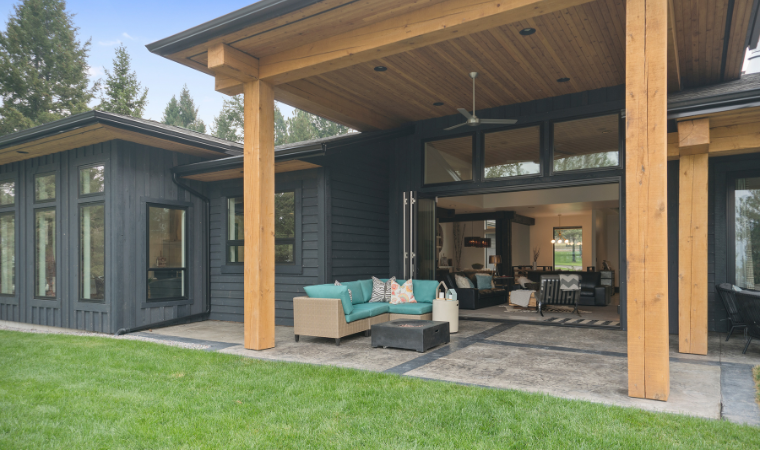
Many homeowners reach a point where the patio becomes more than a seasonal hangout. Maybe the mosquitoes take over in summer, the cold cuts visits short in winter, or the rain turns outdoor plans into indoor ones.
At that point, the key question is: how to enclose a patio so it functions year-round.
This is where a professional installation makes all the difference. Turning an open patio into a real, conditioned, livable space involves far more than adding walls.
It requires planning, structural decisions, building knowledge, weather considerations, and a level of craftsmanship that keeps the space comfortable long after the project is complete.
Below is a detailed look at how professionals approach enclosing a patio for year-round use, why partnering with a licensed team is beneficial, and what homeowners can expect from the process.
Why Homeowners Consider Enclosing a Patio
Outdoor living has become a major part of modern home design, yet patios often go unused for much of the year. Weather patterns, insects, noise, and temperature swings can all affect how frequently a patio is enjoyed.
By working with trained professionals, homeowners explore options such as how to enclose a patio with glass, convert it into a sunroom, or even discuss how to enclose a patio into a room that blends with the rest of the home’s architecture.
Here are the most common reasons people reach out:
- They want a comfortable space throughout all seasons.
- They want to add square footage without relocating.
- They want a more controlled environment for gatherings.
- They see the potential for a reading area, hobby nook, or relaxation space.
- They are finally ready to enclose the patio as a living space rather than use it for a few months each year.
Whatever the reason, the starting point is always the same: a clear plan backed by professional evaluation.
Why This Is Not a DIY Project
Homeowners sometimes start researching how to close in a patio and quickly learn the process involves far more than framing and windows. Here’s why professionals take the lead:
1. Structural requirements
The existing patio slab may not be level or may not support added load-bearing walls. Proper evaluation prevents long-term foundation issues.
2. Code compliance
Local building codes cover electrical work, insulation, HVAC integration, window ratings, egress requirements, and attachment methods. Missing even one detail can delay a project or force costly corrections.
3. Electrical and climate control
Year-round use means lighting, outlets, heating, and cooling. It must be planned with precision.
4. Water and weather protection
Moisture infiltration is one of the biggest threats to any enclosed structure. Professionals know how to seal transitions around the roofline, slab, doors, and window frames.
5. Structural tie-ins
The new enclosure must connect safely to the home without compromising existing structures.
A professionally built enclosure doesn’t just look good on day one. It performs well in storms, through temperature changes, and under long-term wear. That’s the difference an experienced builder provides.
The Professional Process: How Experts Enclose a Patio for Year-Round Use
The steps below outline how professionals approach the project, from planning through final inspection. It gives homeowners a realistic picture of what to expect, without crossing into DIY territory.
Initial Consultation and Site Evaluation
Before discussing design features or materials, professionals evaluate:
- The patio slab condition (levelness, cracks, thickness)
- Roof structure and load capacity
- Drainage and water run patterns
- Orientation for sunlight exposure
- Existing electrical access
- Space limitations
This evaluation helps determine whether the existing patio can support an enclosure or requires reinforcement. All Good Roofing and Additions pays close attention to structural tie-ins, roof conditions, and the project’s long-term stability.
Design Planning and Purpose Discussion
Each enclosed patio serves a different purpose, so professionals guide homeowners through choices that align with their lifestyle. Questions often include:
- Do you want a full sunroom with glass panels?
- Are you envisioning a space that functions like an additional room?
- How important is natural light?
- Do you plan to integrate HVAC?
- What level of insulation best fits your climate?
It’s also where window styles, door placements, glass types, and wall configurations are explored.
Professionals help homeowners understand how each choice affects energy use, noise reduction, and long-term comfort.
Structural Reinforcement and Framing Planning
To transform the patio into a year-round space:
- Load-bearing paths must be planned.
- The patio roof (or any added roof extension) must be appropriately integrated with the home.
- Wall framing materials must match the home’s structural requirements.
- Electrical access and HVAC routes must be integrated into the overall plan.
Even if the existing structure looks solid, professionals inspect every connection point. The goal is a sturdy skeleton that supports insulation, windows, and exterior siding without shifting or separating over time.
Construction Phase (What Homeowners Can Expect)
Although every project is different, construction typically includes:
- Reinforcing the slab if needed
- Building or modifying the roof structure
- Adding wall framing
- Installing electrical wiring and lighting
- Adding insulation
- Installing windows and doors
- Adding siding and exterior finishes
- Adding interior wall finishes
- Completing trim and sealing
Professionals follow a sequence that prevents moisture problems, energy loss, and structural issues later on.
Why Professional Installation Matters
Enclosing a patio for year-round use is a significant upgrade, and the quality varies widely depending on the builder. Here’s why homeowners benefit from hiring professionals.
- Long-Term Durability
Year-round use means changing temperatures, humidity, and weather patterns. Professional-grade materials and installation techniques keep the structure solid through seasonal shifts.
- Better Insulation and Energy Performance
A comfortable enclosure depends heavily on the insulation methods, air sealing, and glass selection. Builders understand how these work together.
- Proper Roof Integration
Improper roof tie-ins can cause leaks, sagging, and long-term damage. Experienced roofing pros handle this with precision.
- Code-Compliant Electrical Work
Lighting, outlets, and climate control systems must meet local electrical requirements. Licensed builders handle everything safely.
- A Seamless Look That Blends With the Home
Professional framing, siding, and trim create an enclosure that feels intentional rather than improvised.
- Clear Project Planning
Homeowners receive guidance on design, budgeting, timelines, and realistic expectations.
Final Thoughts
Learning how to enclose a patio is about understanding the professional process.
Whether homeowners prefer a bright glass enclosure or are curious about how to enclose a patio to create a room that matches the rest of the home, the best results come from working with experts who understand structural requirements, comfort, and long-term performance.
Enclosing a patio is one of the most rewarding upgrades a homeowner can make. With the right materials, proper planning, and a skilled team, an outdoor space becomes a comfortable, functional part of the home year-round.
If you’re considering how to close in a patio to create a better living space, professional guidance can turn your ideas into a long-lasting room that fits your lifestyle.