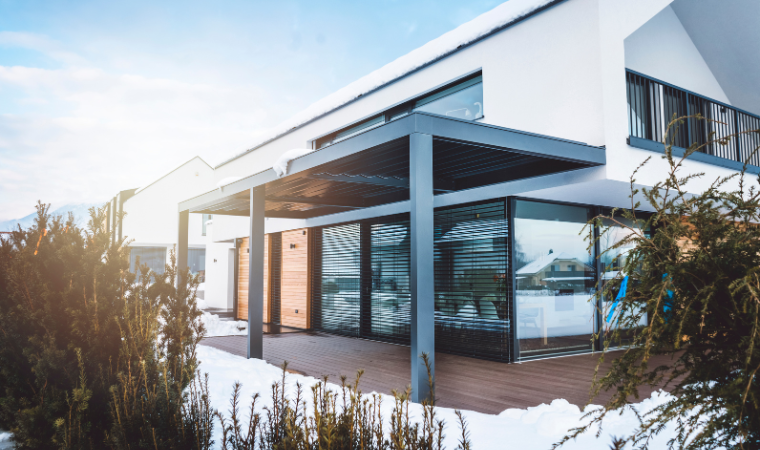
Patio covers are meant to create a relaxing outdoor space. Families gather under these structures for weekend meals, birthday parties, or quiet breaks from the sun.
But even the best materials eventually face a frustrating enemy: mildew. It creeps along beam edges, spreads across shade panels, and leaves the entire area looking tired.
So, is there a quick way to learn how to remove mildew from patio covers? Many homeowners assume the fix is simple. Spray it down, scrub a little, and move on. But mildew isn’t just a cosmetic issue.
It forms due to underlying moisture patterns, installation gaps, poor ventilation, and material weaknesses present from day one.
This guide explains why mildew forms, why cleaning alone doesn’t address the core problem, and how a properly installed patio cover from a professional team at All Good Roofing and Additions prevents mildew long-term.
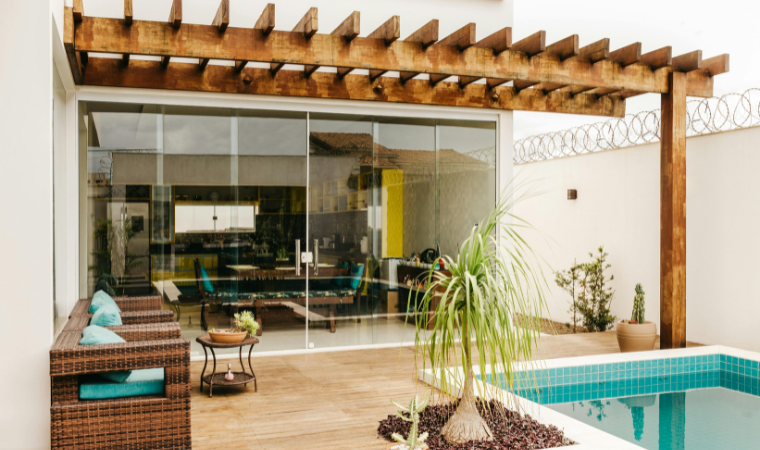
Understanding How to Remove Mildew From Patio Covers
Mildew thrives on damp surfaces that get limited airflow or sunlight. Patio covers provide shade, which is great for comfort, but also for mildew growth.
Once spores settle in, they spread fast because outdoor structures experience regular humidity, nighttime condensation, and occasional water pooling.
Common signs include:
- A powdery or fuzzy gray layer across support beams
- Dark streaks running under the roof panels
- Discoloration on wooden, aluminum, or vinyl surfaces
- A musty scent that lingers around the covered area
Cleaning removes the surface layer, but what sits beneath often remains. That’s where installation quality becomes the deciding factor between a patio cover that stays clean for years and one that needs constant scrubbing.
Why Mildew Keeps Coming Back
Homeowners often reach out to us about how to remove mildew from patio covers. The story usually sounds the same:
“We clean it, it looks good for a month, then it comes back even thicker.”
The reason? Mildew is a symptom, not the root problem.
Here are the most frequent causes spotted during inspections:
1. Moisture Traps Created by Poor Framing
If rafters aren’t aligned correctly or flashing isn’t sealed properly, water seeps into hidden joints. These damp pockets never fully dry, making them ideal spots for mildew.
2. Low-Grade Materials
Cheaper wood, thin aluminum, or low-quality composite panels absorb and retain moisture more easily. Even light rain or overnight humidity is enough for mildew to flourish.
3. Improper Panel Pitch
This is one of the biggest issues. If the cover isn’t angled enough, water accumulates rather than draining. Once pooling occurs, mildew is guaranteed.
4. Insufficient Airflow
Some DIY or bargain installations create an airtight top layer that traps humidity underneath. Without air circulation, mildew spreads rapidly.
5. Incorrect Fasteners or Sealants
Using indoor-grade screws, low-quality caulking, or non-weatherproof brackets can cause micro-leaks that aren’t immediately visible. However, mildew finds them quickly.
All of these issues ultimately come down to one point: installation quality determines mildew behavior over the long term.
Why Professional Patio Cover Installation Prevents Mildew
Professional installation isn’t just about making a cover look good. It’s structural protection, moisture control, and long-term durability working together.
At All Good Roofing and Additions, every patio cover project begins with preventing the problems homeowners usually face years later. Mildew is always on that list.
Here’s how professional techniques stop mildew before it ever starts.
Correct Material Selection Matters
The market is filled with patio cover materials, but not all handle moisture the same way. Many DIY installations use whatever is cheapest or readily available at hardware stores. Professionals don’t operate that way.
Materials That Resist Mildew Better
Professionals select materials based on your climate, sun exposure, and expected foot traffic. For example:
- High-quality aluminum resists mildew more effectively than many wood varieties.
- Engineered wood options may include moisture-resistant treatments.
- Composite panels can be manufactured with mold-resistant finishes.
These choices aren’t random. They’re based on long-term performance in real backyards. Selecting the right material upfront dramatically reduces the need for later mildew cleaning.
Proper Pitch and Drainage Design
One of the most overlooked installation details is the roof pitch. It may seem minor, but a one-degree difference can decide whether rain drains freely or sits long enough for mildew to claim the area.
Professionally installed covers include:
- Correct panel angle for water runoff
- Hidden gutters or drainage channels
- Flashing installed at precise connection points
- Seam placement that prevents pooling
When patio covers drain properly, mildew loses the moisture environment it depends on.
Ventilation That Keeps Humidity From Trapping
Patio covers need shade and airflow. Without fresh air circulating across beams and panels, mildew has an easy path to grow.
Professionally built patio covers factor in:
- Panel spacing
- Beam design
- Soffit vents (where applicable)
- Airflow patterns based on sun direction
Many homeowners think that only enclosed patio covers need ventilation. But even open designs can trap humidity if installed incorrectly. This is where professional planning makes a huge impact.
Sealants, Fasteners, and Flashing Installed the Right Way
A patio cover may look simple, but every small component plays a role in keeping moisture out.
Professionals know exactly which sealants last longest outdoors, which fasteners prevent leaks, and how to place flashing so water moves away from the structure—not into it.
These installation elements affect mildew more than most homeowners realize.
A well-installed patio cover prevents:
- Water intrusion around connection points
- Rust or corrosion that absorbs moisture
- Micro-gaps where mildew forms first
The difference between a persistent mildew issue and a trouble-free patio cover can come down to something as small as the type of screw used.
Stopping Mildew Starts Long Before It Shows Up
Mildew isn’t a cleaning problem. It’s a construction problem. The best way to prevent it is through proper installation, appropriate materials, good ventilation, and thoughtful design choices grounded in real-world experience.
Homeowners don’t need to fight mildew repeatedly. A patio cover built the right way stays cleaner, lasts longer, and creates an outdoor area that feels refreshing instead of musty.
If you’re getting tired of searching for how to remove mildew from patio covers, All Good Roofing and Additions is ready to help. Our team builds patio covers that withstand heat, humidity, rain, and time.
Your backyard deserves a structure that looks great and performs even better without the constant battle against mildew.