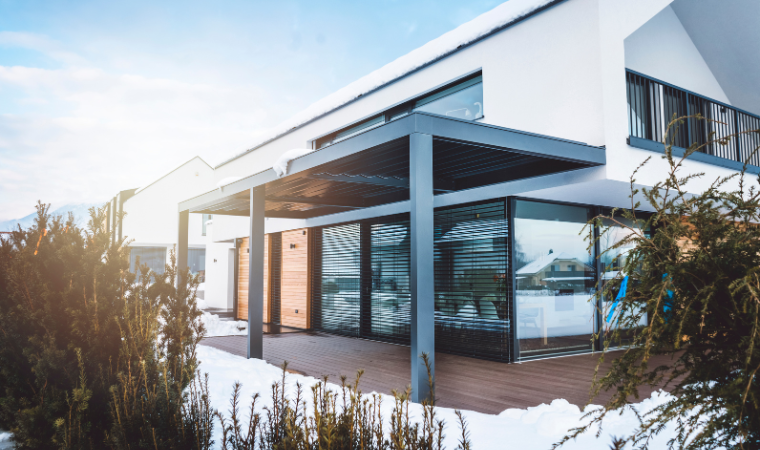
Hot, sticky summers, sudden storms, salt-heavy breezes, intense UV: these are the conditions that test patio covers harder than almost anything else.
Homeowners in warm, moisture-heavy climates want a cover that withstands the heat, resists swelling and decay, and stays looking good without constant repairs.
And since patio covers are often an extension of daily living space, durability is more than a bonus. It’s peace of mind that the structure will last through years of sun and humidity.
This guide breaks down how the most common patio cover materials hold up over time, including real homeowner concerns such as heat resistance, moisture exposure, fading, long-term structural integrity, and everyday maintenance.
Why Heat and Humidity Are So Tough on Patio Covers
Moisture, heat, and sunlight combine to push weaker materials beyond their limits. A patio cover must handle:
- High UV exposure, which breaks down paint, stains, plastics, and even some metals
- Moisture saturation, leading to swelling, mold, cracking, or rust
- Sudden thunderstorms, which test the strength of beams, fasteners, and roof materials
- Hot air trapped under the cover, which affects comfort and structural stability
In a dry climate, many materials perform well. In a humid environment, durability depends on high-quality materials, construction methods, and proper installation, exactly the kind of work All Good Roofing and Additions focuses on for long-term patio cover projects.
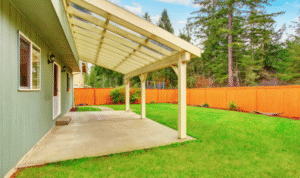
Aluminum Patio Covers: One of the Top Performers in Humid Climates
Aluminum is one of the strongest long-term choices for hot, humid regions. It doesn’t rot, warp, or rust, which is why many homeowners choose metal patio cover kits as a dependable option.
Why Aluminum Lasts
- It sheds water easily and dries quickly.
- It’s corrosion-resistant when finished properly.
- It handles UV exposure better than most organic materials.
Many modern aluminum systems include a baked-on finish that prevents surface fading. With proper selection and installation, aluminum patio covers can last for decades with minimal maintenance.
Best Use Cases
- Homes near the coast
- Areas with heavy rainfall
- Backyards where long-term durability matters more than heavy decorative detailing
Drawbacks to Consider
- Conducts heat, which can warm the underside of the cover
- Can dent if hit by falling branches
- May feel more “industrial” unless installed with decorative beams or wood-like finishes
This is where professional installation matters. The crew at All Good Roofing and Additions often reinforces structural points to help aluminum covers handle storm gusts and long-term sun exposure.
Polycarbonate Patio Panels: Great for Light Transmission and Weather Protection
Polycarbonate has gained popularity among homeowners seeking natural-light patio covers without sacrificing strength. These panels resist cracking, yellowing, and UV damage much better than acrylic sheets.
Why Polycarbonate Thrives in Humidity
- Doesn’t absorb moisture
- Handles heavy rain and impact shock
- Resists fading for many years with UV coatings
Thicker polycarbonate systems maintain clarity longer, especially those sold as insulated patio roof panels. These layered versions also cut down heat buildup under the cover.
Best for
- Homeowners who want a bright patio area
- Patios are used for gardening or family spaces
- Modern, sleek outdoor designs
Considerations
- Budget varies widely depending on thickness and clarity
- Some homeowners prefer solid shade instead of filtered light
- Cheaper panels can discolor faster in extreme sunlight
For homeowners who want light without glare, clear patio roof panels with a matte or tinted finish usually offer the best balance.
Vinyl and PVC Patio Covers: Low Maintenance but Mixed Performance in Humidity
Vinyl patio covers are popular because they resist insects, rot, and peeling paint. They stay bright and clean-looking with minimal maintenance. However, heat is their biggest challenge.
Strengths of Vinyl
- Moisture-resistant
- Affordable
- Clean, simple appearance
Where Vinyl Struggles
- High temperatures can cause softening or bending
- UV exposure can reduce lifespan
- Color options are limited
Vinyl performs better in humid climates than wood, but worse than aluminum or polycarbonate. It’s a practical choice for budget-conscious homeowners, though it’s not the most durable material in hot climates.
Wood Patio Covers: Beautiful but Require Frequent Maintenance
Wood has unmatched character, but high humidity tests its durability more than any other material.
Strengths
- Warm and natural look
- Easy to stain, customize, and repair
- Strong structural performance
Downsides (Humid Climates)
- Absorbs moisture
- Swells, cracks, and warps over time
- Requires continuous sealing or painting
- Attracts mold, mildew, and termites
Pressure-treated lumber and cedar resist decay better than some wood varieties, but even the best wood requires consistent care. In coastal or subtropical climates, wood patio covers require maintenance every 1–2 years to remain in good condition.
Homeowners who want the look of wood without heavy upkeep often choose aluminum covers with wood-grain finishes, an option All Good Roofing and Additions installs for clients who want longevity and style.
Steel Patio Covers: Extremely Strong but Prone to Corrosion Without Protection
Steel patio covers are less standard for residential use because they’re heavy and expensive. They are firm, but moisture can gradually break down steel unless it’s properly coated.
Benefits
- Exceptional strength
- Great for wide spans or commercial installation
- Can support heavier roofing materials
Limitations for Humid Weather
- Prone to rust if the coating is damaged
- Requires regular inspections
- More costly to install and maintain
Steel can last a long time in hot, humid climates, but it requires ongoing care. Homeowners usually find that aluminum offers better long-term value at a lower risk of corrosion.
Final Thoughts
Hot and humid climates challenge outdoor structures, but the right patio cover materials withstand these conditions without frequent repairs or premature replacement.
Aluminum and polycarbonate continue to lead the pack due to their resistance to moisture, heat, and UV exposure. Insulated panels help reduce heat, while natural-light options like clear patio roof panels add brightness without compromising durability.
With expert design and installation from companies such as All Good Roofing and Additions, homeowners can enjoy a patio cover that stands up to years of heat, humidity, and unpredictable weather.