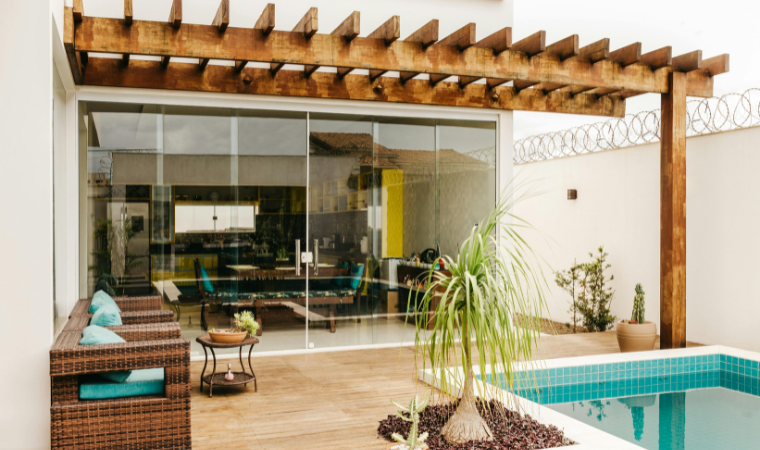
For many restaurants, the patio has become more than an extra seating area. It can be a profit center, a comfort space your guests rave about, and a lifeline during busy seasons.
As more diners prefer fresh air, shade, and an inviting space to relax, restaurant owners are investing in patio covers and commercial restaurant patio enclosures that are built to last, safe to operate, and code-compliant.
Commercial projects don’t work the same as residential ones. The expectations are higher, and so are the safety rules. That’s why taking the time to understand structural standards, heating and cooling considerations, and local and state requirements makes such a difference.
Below is a full breakdown of how these commercial projects work, what restaurants should expect, and why professional installation is essential.
Why Restaurants Are Investing in Covered Patios More Than Ever
Outdoor dining has always been popular, but in the past few years, it has shifted from a “nice to have” to an expectation. A covered patio gives restaurants several advantages:
- More seating without altering the main building
- Better use of outdoor space, even in summer heat or light rain
- A more relaxed atmosphere that can encourage more extended visits
- Seasonal income stability with year-round usability
- Better noise control and separation from indoor dining
These projects are no longer limited to high-end dining. Cafés, family restaurants, breweries, and even quick-service spots are turning patios into revenue drivers. That’s where patio enclosures for businesses and commercial-grade covers come into the picture.
Restaurant owners quickly discover that commercial patio work involves engineering, safety inspections, and design planning that goes far beyond a simple shade structure. Knowing what the city, state, and fire marshal will look for early in the process saves time, money, and stress.
What Makes a Commercial Patio Cover Different From a Residential One
Some owners wonder why they can’t simply add the same type of cover they would install on a house. The answer is simple: businesses face a different level of responsibility.
A commercial patio must withstand heavier use, stronger wind events, and larger gatherings. Codes and inspections reflect that. Here are some of the most significant differences that shape restaurant patio projects:
1. Structural Load Requirements
Commercial covers must handle:
- Heavier wind loads
- Possible snow loads depending on the region
- The weight of lighting, heaters, fans, and audio systems
- Frequent use without loosening or shifting
This is one reason All Good Roofing and Additions builds with reinforced framing, thicker posts, and engineered connection points that are designed to withstand commercial use.
2. Fire and Safety Regulations
Restaurants must follow stricter rules for:
- Electrical wiring
- Exit paths
- Heating units
- Material fire ratings
- Operational clearances around gas and cooking equipment
The fire marshal may require specific documentation before final approval.
3. Accessibility Standards
Any new dining area must meet ADA guidelines. That may include:
- Minimum walkway widths
- Ramp access
- Doorway measurements
- Table spacing
Even if the structure itself is simple, the underlying layout must support accessibility.
4. Long-Term Durability Under Heavy Use
Residential patios usually see light traffic. Restaurant patios may have hundreds of guests each day, plus staff racing back and forth. Materials must withstand moisture, food spills, and routine cleaning.
Types of Commercial Patio Covers and Enclosures Used by Restaurants
Restaurants have far more options than they did even a decade ago. The right choice depends on seating capacity, weather exposure, and the atmosphere the business wants to create.
Below are the most common designs used in Texas.
1. Fixed Patio Covers for Permanent Outdoor Dining
These are fully built, permanent structures that create consistent shade and shelter. They can be attached to the main building or built as stand-alone units.
Best for:
- Restaurants want year-round dining
- Spaces exposed to the Texas sun
- Patios where heat control and storm protection matter
Materials often used:
- Aluminum framing
- Steel posts
- Polycarbonate roof panels
- Insulated patio roofing systems for temperature control
Permanent covers allow a restaurant to run lighting, fans, misters, and other comfort features throughout the structure. All Good Roofing and Additions installs many of these for high-traffic restaurants that need dependable outdoor dining spaces.
2. Commercial Restaurant Patio Enclosures (Soft or Hard Panels)
These are among the most popular upgrades because they allow restaurants to “open up” or “close in” the patio depending on the season. Many searches for restaurant patio enclosures near me come from owners who want flexible, weather-resistant options.
Rugged panel enclosures can be used:
- Glass
- Acrylic
- Polycarbonate
Soft panel enclosures can be used for:
- Vinyl roll-downs
- Clear flexible panels
- Heavy-duty screens
Enclosures help restaurants extend the patio season into colder months and reduce wind exposure without blocking views. They also help with noise control and temperature regulation.
3. Louvered Roof Systems (Adjustable Shade)
A louvered roof uses adjustable slats that rotate between open and closed positions. These systems are becoming popular in busy restaurants because they allow staff to control the amount of sunlight or ventilation the patio receives.
Advantages:
- Rain protection when closed
- Sunlight and ventilation when open
- Attractive modern appearance
These systems cost more but offer unmatched flexibility for businesses hosting events or peak-time dining.
4. Screen Enclosures for Restaurants Wanting Airflow
Some restaurants want protection from insects and blowing debris but prefer an open-air feel. Heavy-duty screening systems solve that.
Benefits:
- Lower cost
- Good airflow
- Great for breweries and casual dining spots
Screen enclosures also pair well with fixed roofs or pergolas.
Commercial Requirements Restaurants Must Follow
Every city has its own building codes, but most commercial patio projects share the same core requirements. Below is a breakdown of what restaurants should expect.
1. Engineering and Load Calculations
Restaurants need stamped engineering plans for:
- Wind resistance
- Roof load ratings
- Connection methods
- Post spacing
- Foundation requirements
A commercial structure must withstand pressure, which means no shortcuts. This is why working with a contractor experienced in commercial-grade covers removes the guesswork.
2. Permits and Inspections
Most restaurants will need:
- A building permit
- Electrical permits
- Mechanical permits for adding heaters or fans
- Fire marshal inspection
- Final occupancy approval
Restaurants often underestimate how long the permit timeline can be. Starting early helps keep the project moving without delaying opening dates.
3. Fire Safety Compliance
Restaurants must protect guests from fire risks around:
- Cooking equipment
- Electrical wiring
- Fuel-powered heaters
- Exit pathways
Some cities require flame-rated materials for covers or enclosures. Clear panels used for commercial restaurant patio enclosures may also need to meet a specific classification.
4. Accessibility Requirements
ADA standards require proper spacing for:
- Wheelchair movement
- Seating areas
- Ramps
- Entry and exit routes
A patio that does not meet ADA guidelines cannot pass inspection, which is why layout planning starts early in the design phase.
5. Drainage and Water Control
Commercial patios must prevent water from pooling or running into dining areas. Roofs must be engineered with proper pitch, gutters, and downspouts.
Restaurants often add landscaping or trench drains to keep water away from guest pathways.
6. Electrical and Lighting Codes
Outdoor lighting must use weather-rated fixtures and follow electrical codes for:
- Wet locations
- Ground-fault protection
- Wiring protection
- Fixture mounting
Restaurants often run lighting, speakers, and fans through their patio covers, which is why electrical planning is included in early design conversations.
Final Thoughts
A well-built patio adds comfort, character, and seating capacity to any restaurant. But commercial projects require precision, planning, and a deep understanding of safety and code requirements.
From structural design to restaurant-grade materials to fire and accessibility standards, everything must be in compliance before the space can open to the public.
That is why restaurant owners partner with experienced teams like All Good Roofing and Additions. Commercial patios are an investment that should last for years, serve guests comfortably, and pass all inspections without issue.
If you are searching for restaurant patio enclosures near me or want to expand your outdoor dining area with long-lasting patio enclosures for businesses, working with a knowledgeable commercial builder is the smartest place to start.