
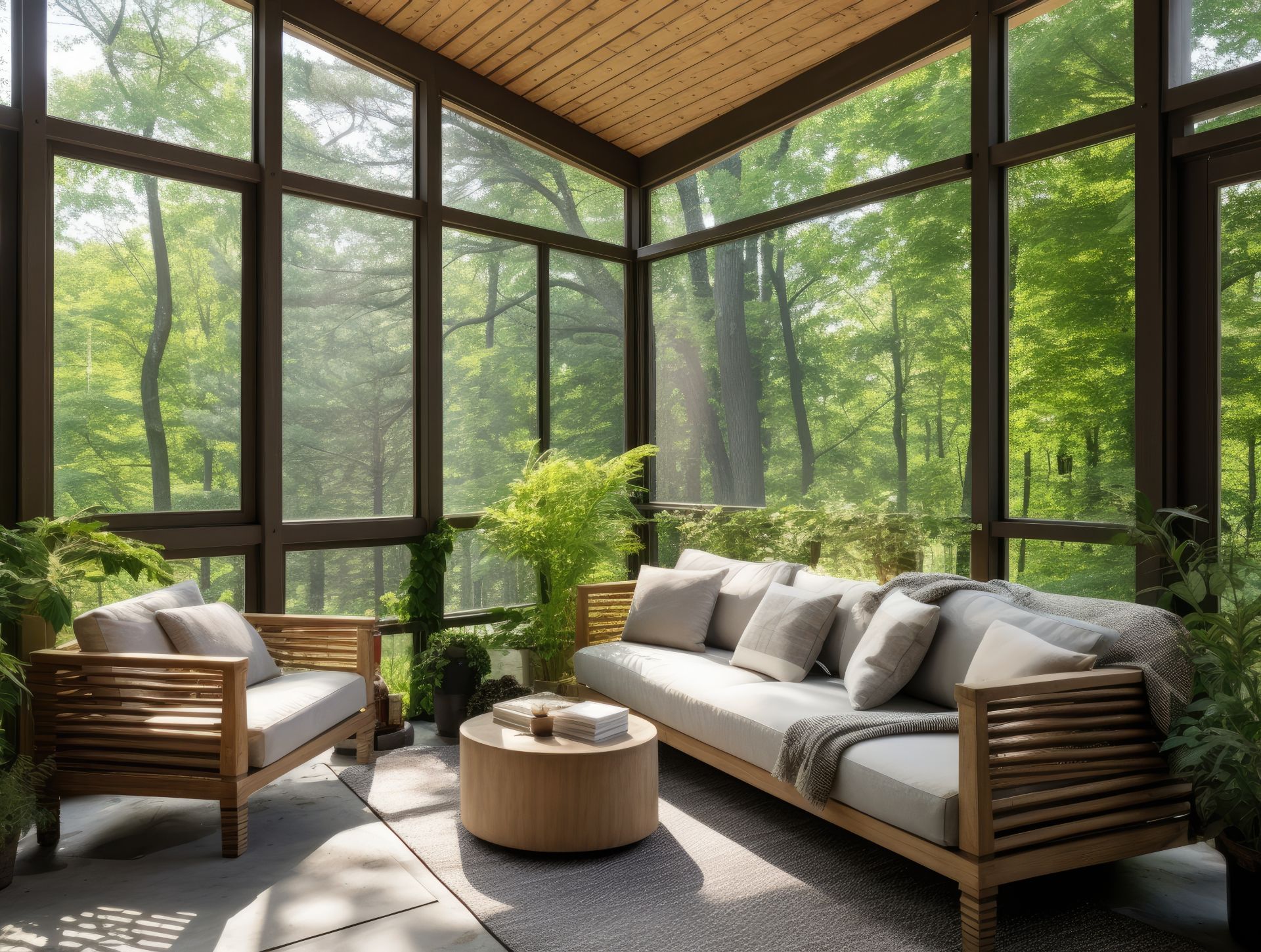
Homeowners often reach a point where their patio feels like it’s almost perfect. The outdoor space is there. The seating is there. The view is there.
However, something is missing. Maybe it’s the bugs, the heat, the rain, the pollen, or even the lack of privacy that gets in the way of real enjoyment.
This is where two popular upgrades come into the conversation: patio screening and patio enclosing. Both give a patio greater purpose, comfort, and year-round usability, but they serve different needs. The real question many homeowners ask is simple:
Which one actually adds more functionality?
Over the years, we’ve worked with homeowners across Central Texas who faced this exact decision. Below is a breakdown to help homeowners choose the upgrade that best suits their needs.
What a Screened Patio Actually Offers
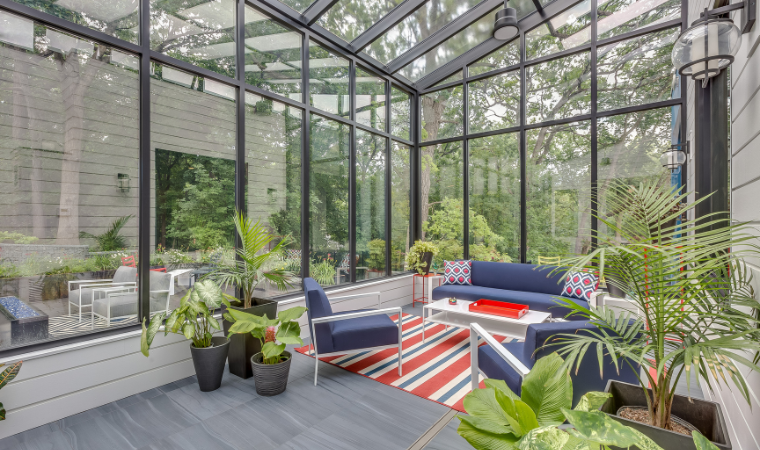
A screened patio typically starts with an existing structure—either an open patio slab or a covered patio. Screens are then installed along the perimeter to keep insects and debris out while maintaining an outdoor feel.
Homeowners often use phrases such as “screen in a patio” or “screen enclosures for a patio” to refer to this upgrade.
The Core Advantages of Screening
Screening is often chosen because it addresses issues without compromising the natural outdoor atmosphere. From experience, homeowners choose a screened patio for reasons like these:
1. Fresh Air Without the Bugs
Mosquitoes, flies, and wasps can make outdoor time a challenge. A high-quality screen for patio enclosures keeps insects out while providing the open-air comfort many families love.
2. Lower Cost Compared to Full Enclosures
Screening generally costs less because it requires fewer materials. No windows, no insulation, no HVAC modifications, and no electrical changes unless the homeowner chooses to add fans or lighting.
3. Faster Build Time
Screen structures often install more quickly than enclosed walls. It appeals to homeowners who prefer a simpler project or want the space ready sooner.
4. Better Ventilation
Texas summers may be hot, but airflow makes a major difference. A screened patio allows the warm breeze to flow through naturally.
5. Great for Entertaining
Screened patios often become outdoor dining areas, lounge spaces, or play zones where the family can gather without swatting insects away from their drinks and food.
Limitations of a Screened Patio
Of course, a screened patio doesn’t solve every concern. Based on what we’ve seen over hundreds of patio upgrades, these are the limitations that matter:
1. Weather Still Impacts the Space
Rain blows in. Winter air chills the room. Pollen gets through. A screened patio improves lifestyle comfort but can’t fully protect against the elements.
2. No Year-Round Use Without Additional Features
Many homeowners eventually want heaters, thicker roofs, or even storm panels to extend seasonal use.
3. Limited Privacy
Screens provide some separation, but they don’t offer complete privacy from neighbors or passersby.
4. Not Considered a “Living Space” Addition
Real estate value increases come mostly from enjoyment rather than formal square footage.
Screening is a significant step forward, but some homeowners quickly realize they want more enclosure than screens can provide.
What an Enclosed Patio Provides
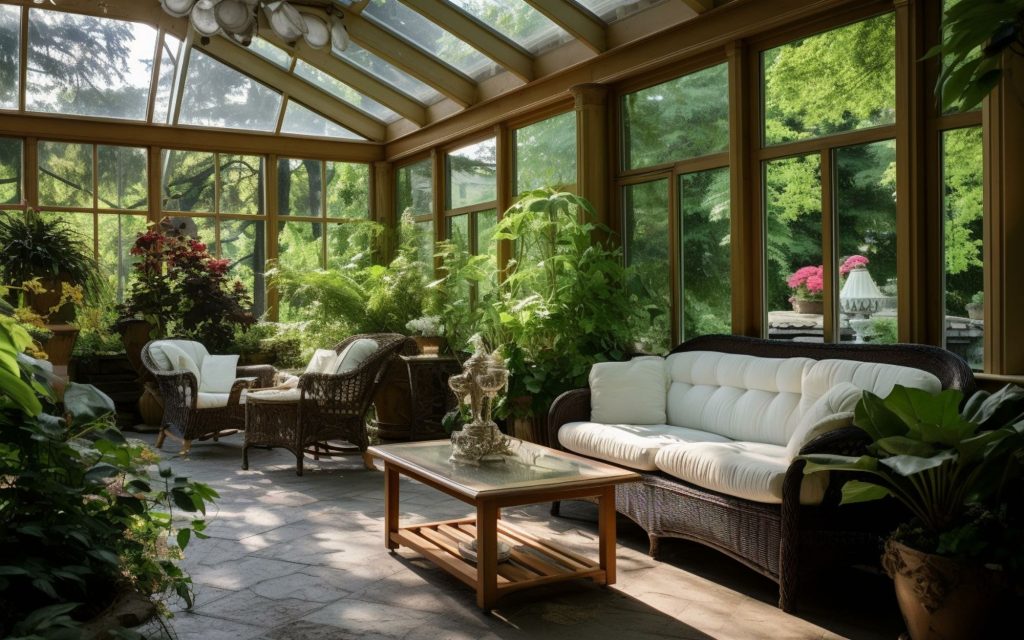
Patio enclosing takes things further. Instead of screens, the structure becomes a weather-protected room, often with insulated walls, windows, and doors, and sometimes with electrical upgrades.
Some homeowners refer to this as a patio sunroom, a patio enclosure, or a complete conversion.
This upgrade transforms the patio into a more controlled environment that behaves more like an indoor space.
The Core Advantages of a Fully Enclosed Patio
1. Year-Round Use
Rain, wind, cold, and heat are no longer deciding factors. With windows and insulation, the space remains comfortable year-round.
2. Greater Weather Protection
Furniture lasts longer. Electronics can be used safely. Flooring options expand. Wind-driven rain is no longer a problem.
3. Better Privacy
Windows, shades, and solid wall sections create a more secluded atmosphere for relaxation, work, or hobbies.
4. Strong Resale Appeal
While the space usually doesn’t count as finished square footage unless fully conditioned, buyers appreciate the practicality and comfort it adds to a home.
5. Multiple Use Cases
We’ve seen enclosed patios used for:
- Home offices
- Workout rooms
- Craft rooms
- Kids’ playrooms
- Reading and relaxation spaces
- Multi-season entertainment rooms
It’s a versatile upgrade that adapts to a family’s needs.
Limitations of Full Patio Enclosing
Even with all the benefits, enclosed patios come with specific considerations:
1. Higher Initial Cost
Materials, labor, windows, insulation, and electrical work naturally cost more than a screen upgrade.
2. Longer Project Timeline
A full enclosure is closer to home construction than simple screening.
3. Potential Permit Requirements
Some areas require permits, inspections, or homeowner association approval. Professional, licensed builders often handle this, which is why some homeowners may be unaware of it; it’s still part of the process.
4. Less “Outdoor” Feel
Some homeowners miss the natural breeze and open-air atmosphere.
Side-by-Side Comparison: Patio Screening vs Patio Enclosing
Below is a simplified comparison based on real homeowner priorities.
| Feature | Screened Patio | Enclosed Patio |
| Weather Protection | Low–Moderate | High |
| Bug Protection | Excellent | Excellent |
| Ventilation | Strong | Moderate |
| Privacy | Moderate | High |
| Seasonal Use | 6–8 months | 12 months |
| Cost | Lower | Higher |
| Build Time | Shorter | Longer |
| Outdoor Feel | Strong | Limited |
| Furniture Protection | Moderate | High |
| Potential resale appeal | Lifestyle boost | Stronger appeal |
Which Adds More Functionality?
Functionality will vary based on how the homeowner uses the patio today and how they want to use it in the future.
Screening Adds More Functionality If:
- The goal is bug protection without losing fresh air
- The patio is used mainly in spring, summer, and early fall
- Budget plays a significant role
- The family prefers breezy, open spaces
- There’s no need for insulation or complete weather protection
Screening offers an immediate upgrade and works perfectly for outdoor dining, lounging, or hosting guests.
Enclosing Adds More Functionality If:
- The patio should work as a room all year round
- The weather is a big concern
- Privacy is needed
- The homeowner wants space for hobbies, work, or extended visits
- A more permanent structure fits the long-term plan
An enclosed patio becomes one of the most appreciated rooms in the home because it adds square footage that the family can use daily.
Final Verdict: Screening vs Enclosing
Both patio upgrades offer real lifestyle improvements. Screening provides a patio with greater comfort at a lower cost while preserving the outdoor atmosphere. Enclosing turns a patio into a flexible, weather-protected room that can be used year-round.
If the goal is fresh air and simplicity, choose screening.
If the goal is functionality that rivals an indoor room, choose an enclosure.
Either way, a well-built upgrade can completely change how the family uses the home.
Ready to Transform Your Patio?
Whether you’re thinking about screen enclosures for a patio or a full enclosure that protects the space year-round, the right build can make your outdoor area one of the most enjoyable parts of your home.
For expert guidance and high-quality construction, All Good Roofing and Additions is here to help.
Call (512) 458-4353 to schedule a consultation or request a quote today.