
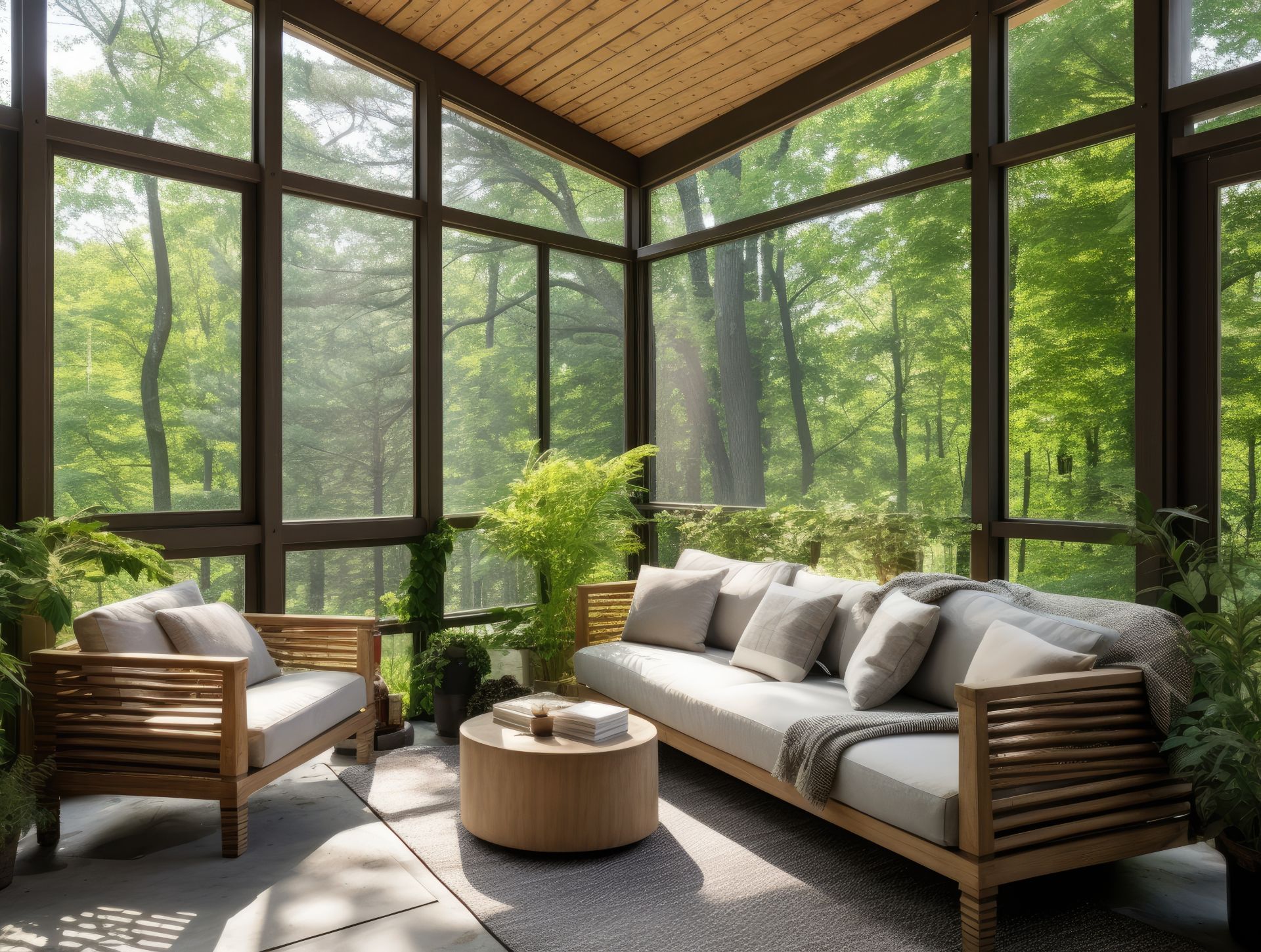
Homeowners ask us this question frequently, and it makes sense. Both options give you more usable space, make the back of the house feel larger, and can look as if they were always meant to be there. But the day-to-day experience is very different.
If you are comparing a screened-in patio vs patio room, the simplest way to think about it is this.
A screened space helps you enjoy the outdoors with fewer annoyances. On the other hand, a patio room, also called an all-weather or all-season room, is designed to feel more like the inside of your home, with stronger protection against heat, cold, wind, and rain.
Below, we break down the fundamental differences we see in the field, including comfort, construction, permitting, and why professional installation matters so much for both.
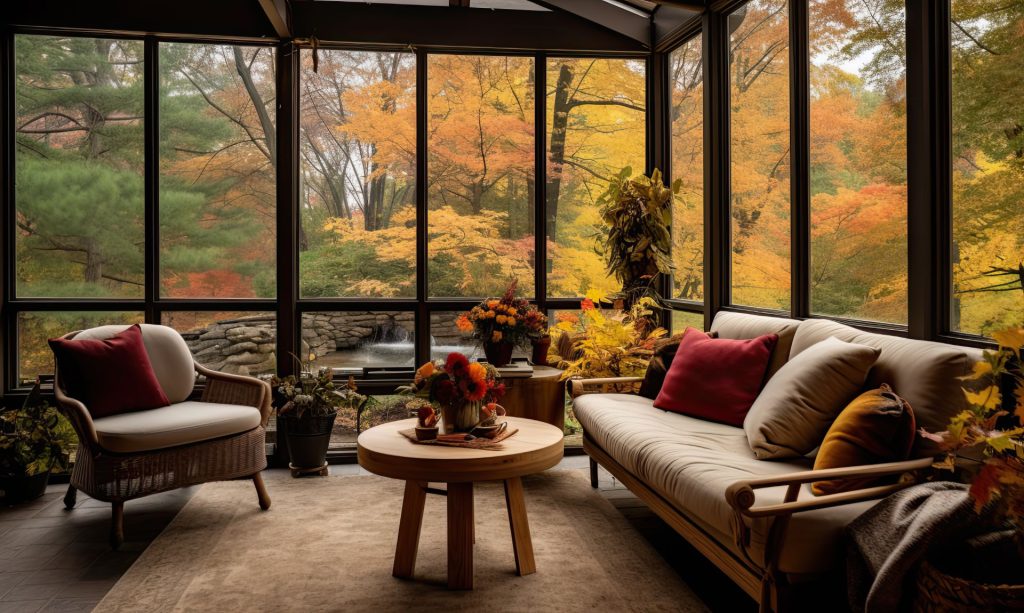
Screened-In Patio vs Patio Room: What Are We Comparing Exactly?
Before comparing “screened-in patio vs patio room,” it helps to define each one in plain language.
What is a screened-in patio?
A screened-in patio usually starts with an existing concrete slab or covered patio. We add a lightweight frame and screening around the open sides and, when necessary, across exposed gables. That creates a breathable outdoor room that:
- Blocks insects and critters
- Softens wind
- Filters some debris and leaves
- Stays open to outdoor temperatures
In Texas, a screened space often falls into the “outdoor living” category more than “interior room.” It still feels like a porch. You hear crickets, you feel the breeze, and yes, you still think summer heat and winter cold.
Many homeowners view these as screen rooms for patios. They work well for casual seating areas, outdoor dining, or spaces where kids and pets can be outside without being fully exposed.
What is a patio room / all-weather room?
A patio room enclosure (sometimes called an all-weather room or patio room) is a step toward a true interior room. Instead of only screens, these spaces use solid wall sections, insulated roof systems, and glass or vinyl windows. Done right, they can function as a:
- 3-season patio enclosure (comfortable most of the year with minimal heating or cooling)
- All-season patio enclosure (fully insulated and conditioned like the rest of the house)
All Good Roofing and Additions can build patio room enclosures that protect against wind, rain, and pests while offering extended living space year-round.
These rooms typically include:
- Solid roofing tied into your existing roof or built as a structurally sound extension
- Framed walls with windows instead of a full-height screen
- Better protection from temperature swings and storms
So, in this screened-in patio vs patio room comparison, think of it this way:
- Screened-in patio = outdoor room with bug protection
- Patio room = an indoor-feeling space built where your patio used to be
How Each Space Feels in Everyday Use
A key factor in the screened-in patio vs patio room decision is how you want the space to feel from day to day.
Airflow, temperature, and comfort
A screened space lives and breathes with the weather. On a mild Austin evening, that feels amazing. On a 104°F afternoon, not so much.
Screened-in patio:
- Maximum airflow, since walls are full screen
- Shade helps, but you still feel the outdoor heat and humidity
- Fans make a difference, yet the space still follows outdoor temperatures
Patio room / all-weather room:
- Can be built as a 3-season patio enclosure with better protection from wind and rain, plus optional space heaters or portable cooling
- Or as a fully insulated all-season patio enclosure with HVAC, insulation, and higher-performance windows
- More stable temperature, more “indoor” comfort, and less dependence on the day’s weather
For clients with kids doing homework, remote work setups, or year-round hobbies, the patio room almost always wins the screened-in patio vs patio room discussion.
Bugs, pollen, and outdoor debris
In Central Texas, mosquitoes and pollen are not minor details. They make or break your ability to enjoy a space.
- A screened-in patio keeps out larger pests and most insects, but fine pollen still comes through. Furniture and flooring get dusty more quickly.
- A patio room with windows and doors offers far better protection from pollen, dust, and storm-driven debris. You can use rugs, soft furniture, and even electronics with less worry.
If anyone in your household has allergies, that alone can tip the screened-in patio vs patio room choice toward a fully enclosed room.
Light and views
Both options can feel bright and open if designed correctly:
- Screens reduce glare and slightly dim the light, which many people actually like in summer.
- A patio room can be designed with large windows, transoms, and glass doors to bring in intense natural light, similar to a sunroom.
The key is to plan the window and screen layout based on sun direction, street views, and privacy needs. That is where professional design makes a real difference.
Structure, Weather Protection, and Building Codes
Comparing a screened-in patio vs patio room is also about how each structure connects to your house and how it performs in a storm.
Structural loads and roof tie-in
Any time a new structure attaches to your home, framing, footing size, and roof tie-in details matter.
- A screened-in patio enclosure typically uses lighter framing and may integrate with an existing patio cover or freestanding structure.
- A patio room enclosure carries additional weight from walls, windows, insulation, and, in some cases, a heavier roofing system.
All Good Roofing and Additions handles roof connections, flashing, and structural design every day. Poor DIY tie-ins are a common source of leaks and long-term damage around patio covers and additions.
Weather resistance
In Texas, heavy rain and wind can hit suddenly. The more enclosed your structure, the more critical its weather performance becomes.
- With a screened-in patio, wind can carry in water, so flooring finishes and furniture must be able to withstand damp conditions.
- In a patio room, water must be kept completely out. That means properly flashed roof lines, sealed windows, sloped slabs, and thought-through drainage.
Building a room that functions as an extension of your home requires a higher level of planning and craftsmanship than simply adding screens.
Permits and inspections
Local codes treat an outdoor screen room differently from a fully enclosed room. A patio room may trigger:
- Stricter structural requirements
- Energy code considerations (windows, insulation, door ratings)
- Electrical inspections for outlets, lighting, and HVAC
An experienced contractor understands the permitting process for both screened enclosures and patio rooms in the Austin area and surrounding cities, including Cedar Park and Georgetown. That means fewer surprises mid-project and smoother approvals.
Choosing the Right Outdoor Room for Your Home
Deciding between a screened-in patio vs patio room is really about how you want to live in the space and how often you expect to use it.
A screened-in patio keeps you closer to the elements while giving relief from bugs and harsh sun. Meanwhile, patio room enclosure shifts the space into true living-area territory, comfortable across more seasons and more hours of the day.
Both can be fantastic additions to an Austin-area home if they are planned and built with care.
Ready to explore what is possible for your patio? Reach out to All Good Roofing and Additions to discuss screened-in patios, patio room enclosures, and all-weather patio solutions that fit your home and your day-to-day life.