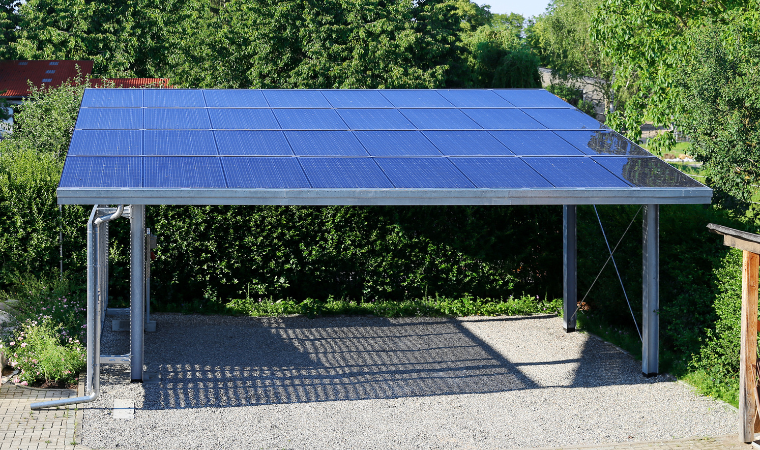
Carports are built from materials selected for strength, durability, appearance, maintenance needs, and cost. The frame and roof must work together to support the structure, resist outdoor conditions, and provide reliable vehicle coverage. Understanding what carports are made of (metal, aluminum, wood) can help homeowners compare available options and choose a material that fits their property.
The right choice depends on several factors, including local weather, preferred style, available space, and long-term maintenance expectations. Metal, aluminum, and wood are among the most common materials used for residential carports. Each option has distinct advantages and may be better suited to certain designs or budgets.
Comparing Common Materials Used to Build Carports
A carport may be attached to a home or constructed as a freestanding addition. Regardless of the layout, the structure typically includes support posts, beams, roof framing, fasteners, anchors, and a roofing surface.
Some carports use one material throughout the entire frame, while others combine materials. For example, a wood-framed carport may have a metal roof, or a steel structure may include decorative wood features. The final design should provide both structural support and an appearance that complements the property.
Steel Carports
Steel is one of the most widely used carport materials because it offers dependable strength and structural stability. Steel frames can support single-vehicle, multi-vehicle, and oversized carports designed for trucks, boats, trailers, or recreational vehicles.
A steel carport usually includes posts, beams, braces, and roof framing connected with bolts or welded components. The frame may be galvanized or coated to help reduce corrosion caused by moisture and outdoor exposure.
Steel is a practical choice for homeowners who want a durable structure with relatively low maintenance. It can also be shaped into different roof styles, including flat, sloped, and gabled designs.
However, exposed steel may rust if protective coatings become damaged. Periodic inspections can help identify scratches, loose connections, or early corrosion before they develop into larger problems.
Aluminum Carports
Aluminum is lighter than steel, but it still provides useful strength for many residential carport designs. It naturally resists rust, making it a suitable option for homeowners who want a structure that requires limited maintenance.
Because aluminum components are lightweight, they may be easier to transport and install. Aluminum can also be manufactured in different finishes and colors, allowing the carport to coordinate with the home’s roof, siding, trim, or exterior details.
Aluminum carports are often selected for smaller residential structures and modern designs. The material offers a clean appearance and performs well in areas where moisture resistance is important.
Although aluminum does not rust, it may be more likely to bend or dent than heavier steel. The framing must be properly sized, reinforced, and anchored according to the carport’s dimensions and expected wind exposure.
Wood Carports
Wood carports are popular among homeowners who prefer a traditional, natural, or custom-built appearance. Wood framing can be designed to match porches, patios, fences, rooflines, and other architectural features already present on the property.
Common structural components include treated lumber posts, beams, rafters, and braces. The roof may be finished with shingles, metal panels, or another material that matches the home.
One advantage of wood is its design flexibility. Posts and beams can be cut, shaped, stained, painted, or finished to create a more decorative appearance. Wood also works well for attached carports that are intended to look like an extension of the house.
Wood requires more ongoing care than many metal options. Moisture, insects, sunlight, and temperature changes can affect untreated or poorly maintained lumber. Painting, staining, sealing, and regular inspections help protect the structure from rot, cracking, and deterioration.
Roofing Materials Used on Carports
Understanding what carports are made of (metal, aluminum, wood) also involves looking at the roof. The frame and roofing material do not always have to match.
Metal roofing panels are frequently used because they are durable, lightweight, and effective at directing rainwater away from the vehicle. They may be installed on steel, aluminum, or wood framing.
Shingles are another option, particularly for attached wood carports. Matching the carport shingles to the home can create a more consistent and finished appearance.
Some designs may use polycarbonate panels to allow filtered light into the covered area. These panels can provide shade and weather coverage while keeping the space brighter than a solid roof would.
The roof should be installed with the correct slope, fasteners, flashing, and drainage system. Gutters and downspouts may also be added to control runoff.
Choosing Between Steel, Aluminum, and Wood
The best carport material depends on the homeowner’s priorities. Steel may be preferred for strength and larger structures. Aluminum may appeal to those who want a lightweight, rust-resistant option. Wood may be the better choice for custom styling and a traditional appearance.
Homeowners should consider:
- Carport size and intended use
- Required vehicle clearance
- Wind and weather exposure
- Maintenance expectations
- Desired architectural style
- Available construction budget
- Roofing material preferences
- Local building requirements
The foundation and anchoring system are just as important as the visible materials. Even a strong frame can become unstable when it is not properly connected to suitable concrete footings or an approved slab.
Which Carport Material Lasts the Longest?
There is no single material that is best for every property. Steel can provide excellent long-term strength when protected from corrosion. Aluminum can last for many years because it does not rust. Properly treated and maintained wood can also remain durable while providing a more customized appearance.
Installation quality, drainage, routine maintenance, and exposure to weather all influence the lifespan of the structure. Choosing quality materials and correcting small problems early can help extend the carport’s useful life.
Learning what carports are made of (metal, aluminum, wood) gives homeowners a clearer understanding of the available choices. Comparing strength, appearance, cost, and maintenance can make it easier to select a material that supports both practical and design goals.
Choose the Right Carport Material with AllGood Roofing & Additions
AllGood Roofing & Additions builds carports using durable materials selected for your property, parking needs, and preferred appearance. Our team can help you compare metal, aluminum, and wood options and plan a structure that provides dependable vehicle coverage.
Call AllGood Roofing & Additions at (512) 458-4353 to discuss your carport project and schedule a consultation.