
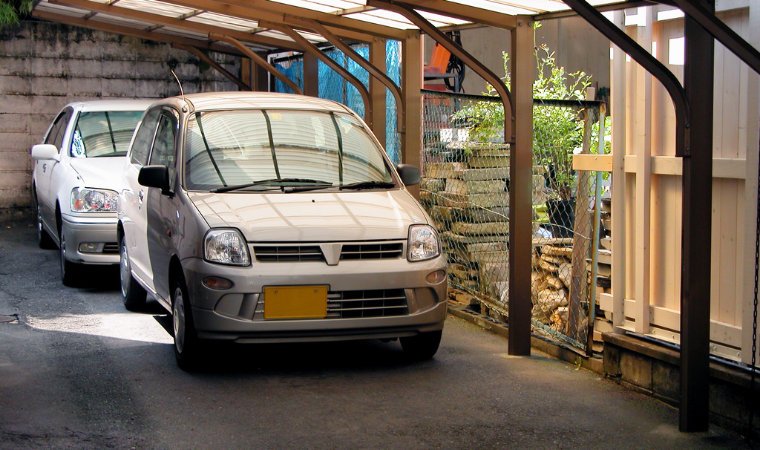
In Austin, the carports vs garages decision usually starts with one simple question: how much protection does your vehicle really need?
At All Good Roofing and Additions, this comes up often because homeowners want shade, storm coverage, curb appeal, and smart use of space without overbuilding. Both options can work, but Austin weather, property layout, and budget often point one way.
Carports vs Garages in Austin: Which One Fits Real Life Better?
The best answer depends on how the space will be used every day. A garage provides a fully enclosed structure with walls, doors, storage space, and enhanced security. A carport gives you overhead protection, open airflow, easier access, and a lighter footprint on the property.
That difference matters in Austin. Vehicles sit under the harsh sun for much of the year, then face sudden thunderstorms, wind, falling branches, and occasional hail. Covered parking helps, but the right type of cover depends on the property.
We usually look at the driveway first. Is there enough width for walls? Would a garage block light or backyard access? Is the goal shade, storage, security, or a workshop? Those questions quickly separate a smart carport project from a full garage project.
For many Austin homeowners, a carport is the practical middle ground. It protects the vehicle from direct sun and most overhead weather while keeping the space open.
A garage makes more sense when the homeowner needs enclosed storage, wants to secure equipment, or plans to use the space for hobbies, fitness, or long-term utility.
Austin Weather Changes the Choice
Austin’s climate puts outdoor structures to work. Summer heat is the obvious problem.
A vehicle parked in direct sun can be miserable by midafternoon, especially with a hot steering wheel, baked seats, and a dashboard taking full UV exposure. Shade protects paint, trim, interior materials, batteries, rubber seals, and driver comfort.
Storms are the other concern. Central Texas weather can shift fast. Wind-driven rain, hail, falling limbs, and heavy downpours can all damage vehicles.
Neither a carport nor a garage can prevent every weather-related problem, but both create a safer parking area than an exposed driveway.
The difference is enclosure. A garage gives better protection from sideways rain, dust, pests, and debris because it has walls and a door.
A carport provides strong overhead protection but leaves the sides open. For many storms, a roof is the biggest help. For stronger wind, stored valuables, or privacy, the garage has the advantage.
That is why carports vs garages is not a simple win-or-lose comparison. A well-built carport can solve the most common daily issue: heat. A garage can solve more problems, but it also costs more, takes more space, and changes the home more dramatically.
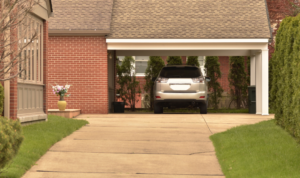
What a Carport Does Best
A carport is built around shade, access, and airflow. You pull in, park, unload groceries, open doors easily, and walk straight into the house or yard. There is no garage door to operate, no dark enclosed space to ventilate, and less chance of giving up open area.
Carports also work well for Austin homes with tight lots or existing driveways.
Older neighborhoods often have narrow side yards, mature trees, sloped approaches, or parking areas that do not allow a full garage without major site changes. A carport can often be planned around those conditions with less disruption.
Airflow is a real benefit in hot weather. Enclosed garages can trap heat. A carport shades the vehicle while allowing air to move around it. That can make the space more comfortable when loading kids, pets, work gear, sports equipment, or groceries.
Carports can also blend into the home when the roofline, posts, trim, and materials are chosen with care. A basic metal shelter may look temporary if it is dropped onto a driveway without design thought. A custom carport that matches the roof pitch, fascia, column size, and color of the house can look like it belongs there.
For homeowners comparing carports v. garages on budget, carports usually have the edge. They require fewer materials, less labor, and less site disruption than a full garage.
A carport may still require permits, proper anchoring, drainage planning, and code review, but it is usually a simpler build than an enclosed structure with walls, doors, electrical work, and interior finishing.
Cost Is More Than the Initial Build
Cost often drives the first round of decision-making. A carport usually costs less than a garage because it has fewer building parts. You are generally paying for footings or slab work, posts, beams, roof framing, roofing panels or shingles, drainage details, and finish work.
A garage adds walls, sheathing, siding, insulation (if desired), doors, windows, garage door systems, possible electrical work, and additional inspections. It may also require more slab work, grading, and structural tie-ins.
The real cost question is bigger than the bid. Homeowners should also think about long-term value.
Will the structure protect a daily driver from sun damage? Will it reduce hail exposure? Will it make parking easier? Will it create storage that the home badly lacks? Will it make the front of the house look better or more crowded?
A less expensive carport that solves the actual problem can be a better investment than a garage that strains the budget and overwhelms the lot.
A garage can be worth the higher cost if the home lacks storage, security is a top priority, or the property has enough space for an enclosed addition that looks original to the house.
Permits, Coverage, and Austin Site Rules
Austin homeowners should be careful not to assume a carport is too simple to require review. Depending on size, height, location, attachment method, and property conditions, a permit may be required.
Small detached accessory structures may fall under permit exemptions only if they meet specific limits, but many usable carports exceed those limits. Garages are usually more clearly treated as permitted construction because they are enclosed and more substantial.
For carports vs garages, permitting is often lighter for a carport, but it is not something to skip. A good plan should answer:
- Where will the posts or foundation points land?
- How close is the structure to property lines?
- Does the roof change drainage patterns?
- Will gutters or downspouts be needed?
- Does the structure connect to the house?
- Are trees, power lines, gas lines, or easements nearby?
The goal is to build something that works well and does not create problems later during resale, insurance review, or future remodeling.
So, Which Makes More Sense in Austin?
For many homeowners, the practical answer is a carport. It handles Austin’s biggest daily issue, direct sun, while offering solid overhead storm protection.
It is usually more affordable than a garage, easier to fit onto existing driveways, and less likely to make the home feel boxed in. If the goal is shaded parking and better day-to-day comfort, the carport often wins.
For homeowners comparing carports vs. garages, All Good Roofing and Additions can help assess the driveway, roofline, drainage, materials, and overall design so the finished structure feels right for the home and performs well in Austin weather.