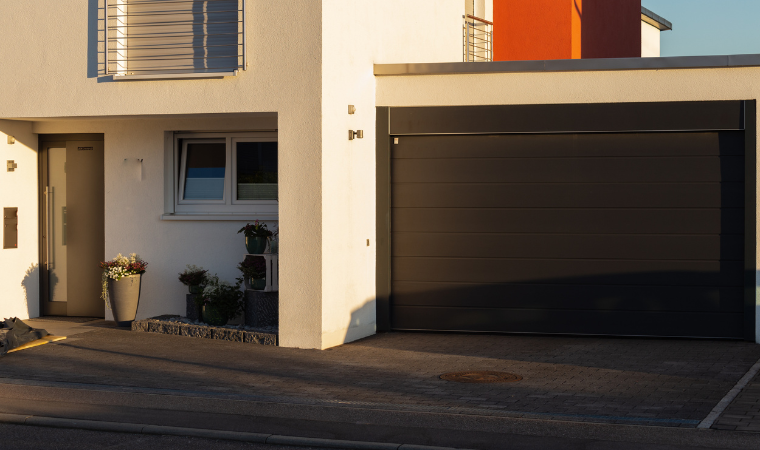
Austin is rough on outdoor structures. Long periods of sun exposure, fast-moving storm cells, heavy rain, humidity, and spring hail all matter when choosing a carport.
At All Good Roofing and Additions, one common homeowner question is: which carport materials work best in Austin’s climate?
The answer depends on frame strength, roof material, finish, drainage, and the level of upkeep each homeowner wants.
How We Decide: Which Carport Materials Work Best in Austin’s Climate?
A carport in Austin is not judged by how it looks on installation day. It is judged by how it handles August heat, wet spring storms, sudden wind gusts, dust, pollen, hail, and years of sun beating down on the same roof panels.
A better way to answer “which carport materials work best in Austin’s climate?” is to look at the full system, not one product label. The posts, beams, roof panels, fasteners, finish, anchors, flashing, and drainage all work together.
A strong frame with weak fasteners can still stain, loosen, or leak. A good roof panel with a poor slope can hold water. A beautiful wood frame with no sealing schedule can check, split, or fade faster than expected.
Austin homeowners usually need three things from a carport material.
First, it has to provide shade that lowers heat exposure on vehicles. Second, it has to withstand storms without becoming noisy, loose, rusty, or warped. Third, it should fit the home well enough that the carport looks planned instead of tacked on.
The best material choice depends on the property. A ranch-style home with a wide driveway may suit a painted steel frame and metal roof.
A modern home may look better with powder-coated aluminum. A traditional home may call for wood posts and a roof style that blends with the main house. The right answer starts with Austin weather, then moves into budget, curb appeal, maintenance, and structure.
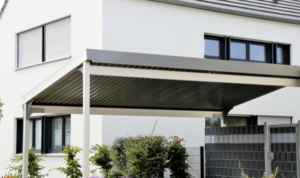
Galvanized Steel: Strong, Familiar, and Good for Larger Spans
For homeowners asking “which carport materials work best in Austin’s climate?” steel usually belongs near the top of the list.
Steel has excellent strength, which supports wider carports, taller covers, and projects that prefer fewer posts. A properly built steel carport can handle larger spans better than many lighter materials.
The big caution with steel is rust. Bare steel is a poor choice outdoors in Austin because humidity, rain, and scratches can start corrosion. Galvanized steel is different because it has a zinc coating that helps protect the base metal.
Painted or powder-coated steel can also perform well, especially when the coating is good and cut edges are treated.
Steel makes sense for many Austin homes because it is strong, widely available, and familiar to builders. It can be used for posts, beams, brackets, and roof framing. It also pairs well with metal roof panels, which makes the whole carport feel cohesive.
Still, steel is not maintenance-free. Homeowners should watch for scratches, exposed cut ends, rust near fasteners, and areas where water sits. Any exposed spots should be cleaned and touched up before rust spreads.
Steel is often a good fit when:
- The carport needs a wider span
- The homeowner wants a sturdy frame
- The roof will use metal panels
- The design is simple, clean, and practical
- Regular inspection is acceptable
The main point is this: steel works well in Austin if it is protected. Untreated steel is not a good long-term choice.
Aluminum: Low Upkeep and Strong Corrosion Resistance
Aluminum is another strong answer to “which carport materials work best in Austin’s climate?” because it handles moisture better than many materials.
It naturally forms a thin oxide layer that helps resist corrosion. That gives it an advantage in humid areas, especially for homeowners who want a clean look with less upkeep.
Aluminum is lighter than steel, which can make installation easier and reduce load on some designs. It also performs well for patio covers, carports, and enclosures because it does not rust like steel.
Powder-coated aluminum adds color and finish protection, which matters in the Austin sun.
The tradeoff is stiffness and impact behavior. Aluminum is strong for its weight, but it is usually not as stiff as steel for the same member size. That means the design has to account for span, post spacing, beam size, and roof load.
Thin aluminum panels can dent from hail, falling branches, or ladders. Better panel thickness, tighter framing, and smart engineering help reduce those issues.
Aluminum can be a great choice for homeowners who want a polished look without the maintenance cycle of wood. It pairs well with insulated roof panels, lattice-style covers, screen room projects, and modern carport designs.
In Austin, the best aluminum carports use the right post sizes, proper anchors, quality coating, and roof panels matched to the span.
Wood: Warm, Attractive, and Higher Maintenance
Wood still has a place in Austin carport design, especially when the home has traditional, Craftsman, farmhouse, or rustic features. A wood carport can look like part of the house rather than a separate structure. It can also be framed to match exposed rafters, gable ends, trim, and roof shingles.
The question is maintenance. Wood moves with moisture. It expands, contracts, checks, twists, and absorbs water when unprotected. Austin’s mix of sun, humidity, rain, and dry spells can be rough on exposed lumber.
Pressure-treated wood helps resist rot and insects, while cedar offers natural beauty and some resistance to decay. Still, every wood carport needs a finish plan.
That plan should include sealing or staining, checking caulked joints, keeping posts off standing water, trimming plants away from the frame, and monitoring the bases of the posts. Wood should never be treated like a set-it-and-forget-it material in Central Texas.
Wood can be a good option when the home’s style calls for a warmer look, the carport will tie visually into the roofline, and the homeowner is comfortable with upkeep. It is not the best pick for every driveway. It can cost more over time if sealing and repairs are ignored
Polycarbonate Panels: Useful, but Pick Carefully
Polycarbonate panels are popular because they let in light while blocking direct rain. They can work well for certain patio covers, garden spaces, and side-yard covers. Carports require more thought.
In Austin, clear or lightly tinted panels can allow too much heat and glare. A vehicle may be protected from rain but still sit under a hot, bright cover. Darker-tinted panels or UV-coated multiwall panels perform better, but they still need proper support.
Hail is the biggest concern. Quality polycarbonate is tougher than acrylic, but panel thickness, span, age, and installation all affect performance.
Thin panels can flex, rattle, discolor, or crack over time. Polycarbonate can make sense for a smaller structure where daylight matters. It is less appealing for a large exposed driveway where vehicle protection is the main goal.
Wrapping Up
So, which carport materials work best in Austin’s climate? In most cases, protected steel, powder-coated aluminum, and quality metal roof panels are the strongest starting points.
The final choice depends on the home, driveway layout, budget, style, and level of maintenance the homeowner wants to take on.
A well-built carport should look like it belongs, protect the vehicle, shed water properly, and remain solid in Austin weather.
For homeowners comparing materials, layouts, and roof options, All Good Roofing and Additions can help plan a carport that fits the property and performs well year after year.