
Outdoor furniture lasts longer when it is protected from the sun, rain, pollen, dust, and wind.
At All Good Roofing and Additions, outdoor living is something we work around often, so we know that even a good patio setup needs proper care.
Learning how to measure patio furniture for covers helps homeowners buy covers that fit well, stay in place, and actually protect the pieces underneath.
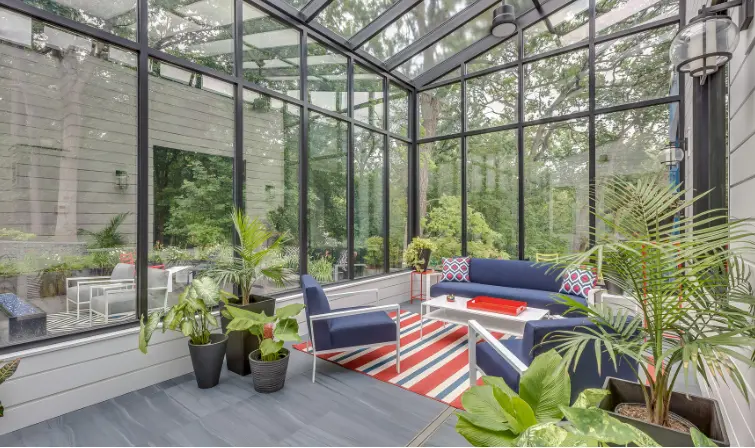
A Practical Guide on How to Measure Patio Furniture for Covers
Before buying anything, it helps to understand what a furniture cover is supposed to do. A good cover should sit over the entire piece without being stretched tight.
It should also have enough room for airflow, because trapped moisture can lead to mildew, stains, and bad smells. At the same time, the cover should not be so oversized that it pools water, drags on the ground, or blows around whenever the wind picks up.
That is why measurements matter. Guessing usually leads to one of two problems. The cover is either too small, leaving part of the furniture exposed, or too large, becoming loose, sloppy, and harder to secure.
The basic measurements needed are:
- Width
- Depth
- Height
- Shape
- Clearance from the ground
- Special features, such as arms, cushions, backs, or curved edges
The process is simple, but accuracy matters. A tape measure, notepad, and a few extra minutes can save money and frustration.
Why Patio Furniture Covers Need the Right Fit
Outdoor furniture is made to handle some exposure, but that does not mean it should sit uncovered through every storm, hot afternoon, or pollen-heavy season.
Cushions can fade. Frames can collect grime. Metal pieces can develop rust spots if water sits in the wrong areas. Wood furniture can dry, swell, or discolor over time. Even synthetic wicker can collect dirt in the weave.
A properly fitted cover helps reduce those problems. It gives the furniture a protective barrier while still allowing the piece to breathe. Poor fit, however, can create new issues.
A cover that is too tight may:
- Pull at the seams
- Tear around corners
- Leave the legs or lower frame exposed
- Trap moisture against cushions
- It becomes hard to remove and replace
A cover that is too loose may:
- Flap in the wind
- Collect water in sagging areas
- Drag across the patio surface
- Let dust and leaves blow underneath
- Wear out faster from movement
It’s one reason why measuring patio furniture for covers is a useful skill for any homeowner with an outdoor seating area. It is not complicated, but it does require measuring the actual furniture instead of relying on guesswork.
Tools You Need Before Measuring
You do not need special equipment. A few basic items will do the job.
Use a metal tape measure if possible. Fabric measuring tapes can bend or sag, which may throw off the measurement. A notepad or phone note also helps, especially if you are measuring several pieces at once. Label each item clearly so the numbers do not get mixed up.
For example:
- Dining table
- Lounge chair 1
- Lounge chair 2
- Sofa
- Coffee table
- Grill cart
- Cushion storage box
It also helps to take a quick photo of each piece of furniture after measuring it. That way, if you are shopping online or comparing cover sizes later, you can match the measurements to the right item.
Measure Width First
Width is usually the measurement from left to right at the widest point of the furniture. This may sound obvious, but the widest point is not always the seat itself.
On chairs and sofas, the arms often extend farther than the cushioned area. On dining tables, the tabletop may be wider than the base. On sectionals, the outer corners may create the widest span.
To measure width correctly, stand in front of the furniture and measure across the widest part from one side to the other. Keep the tape measure straight, not angled.
For chairs, measure from the outside edge of one arm to the outside edge of the other arm. For a sofa, measure the full length from the far-left edge to the far-right edge. For a table, measure across the tabletop at its widest point.
Write the number down in inches. Most patio furniture covers are sold in inch measurements, so keeping everything in the same format makes shopping easier.
Measure Depth from Front to Back
Depth is the measurement from the front to the back of the furniture. This is especially important for chairs, sofas, loungers, and sectionals because the backrest may lean backward.
Do not measure only the seat cushion. Measure from the most forward point to the farthest back point.
On a deep chair, that may be from the front leg or front cushion edge to the back of the rear frame. On a reclining lounge chair, measure it in the position you want covered. If the chair is usually stored flat, measure it flat. If it is usually stored upright, measure it upright.
This step matters because a cover that is too shallow may fit over the top but fail to reach the lower back edge. That leaves part of the furniture exposed.
For dining and coffee tables, depth usually refers to the shorter side from front to back. If the table is square, width and depth may be the same.
Measure Height from Top to Bottom
Height is measured from the ground to the highest point of the furniture. For chairs and sofas, that is usually the top of the backrest.
For tables, it is the top of the tabletop. For umbrellas, storage boxes, and taller outdoor pieces, measure from the ground to the highest point while the item is in the position it will be covered.
One important detail: patio furniture covers should usually stop slightly above the ground. If the cover touches the patio floor, it can wick moisture, collect dirt, and wear down along the bottom edge. A cover that sits about one or two inches above the ground is often better than one that drags.
That does not mean the cover should be too short. The goal is to cover the main body of the furniture while leaving just enough clearance at the bottom for airflow and cleanliness.
It’s one of the most common mistakes people make while learning how to measure patio furniture for covers. They choose the tallest possible cover, thinking more coverage is better, but a cover that sits on the ground can cause its own problems.
How Often Should You Recheck Measurements?
You usually only need to measure once, but there are times when it makes sense to recheck.
Measure again if:
- Cushions have been replaced with thicker ones
- Furniture has been rearranged
- Modular pieces have been added
- The old cover never fit well
- The furniture has warped, shifted, or been repaired
- You are switching from individual covers to one large cover
- You are moving the furniture to a different patio area
Outdoor spaces change over time. A new patio cover, sunroom, pergola, or screen enclosure can also change how furniture is arranged and protected. Before buying new covers, it is always better to measure the current setup rather than rely on old notes.
Final Thoughts
Learning how to measure patio furniture for covers is one of the simplest ways to protect an outdoor setup. The right measurements help you choose covers that fit cleanly, stay in place, and protect your furniture without trapping moisture or dragging on the patio surface.
A tape measure and a few careful notes can make a big difference. Measure the widest, deepest, and tallest points. Include cushions if they stay outside. Pay attention to odd shapes, sectionals, and dining sets with chairs tucked in. Most of all, avoid guessing.
For homeowners planning a better outdoor living area, furniture covers are only one part of the bigger picture. A well-built patio cover, pergola, sunroom, or screen enclosure can also help protect the space and make it more comfortable throughout more of the year.
All Good Roofing and Additions specializes in patio covers, roofing, sunrooms, pergolas, and home additions in the Austin area, offering homeowners practical ways to enhance the look, feel, and function of their outdoor spaces.