
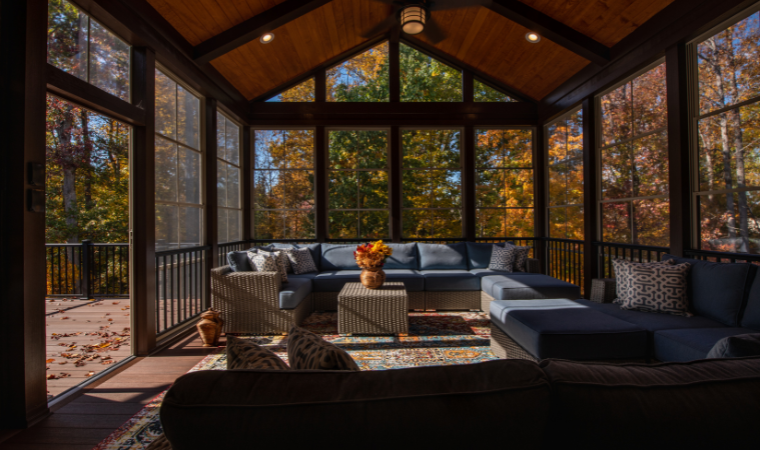
Homeowners across Central Texas often debate sunrooms vs enclosed patios when planning a backyard upgrade. Both options create more usable living space while letting homeowners enjoy the outdoors without dealing with heat, insects, or sudden weather changes.
At All Good Roofing and Additions, this question comes up frequently during consultations with Austin homeowners.
Understanding the differences between these two structures helps homeowners choose the option that best fits their lifestyle, property layout, and climate.
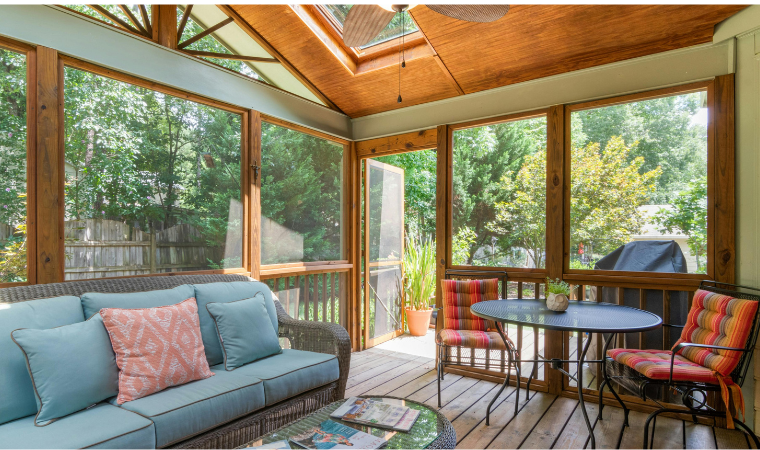
Understanding Sunrooms vs Enclosed Patios for Austin Homes
The conversation about sunrooms vs enclosed patios usually starts with a simple goal: extending the home’s living space while still feeling connected to the outdoors. However, these two additions function differently and are built with different levels of insulation, structure, and year-round usability.
What is a Sunroom?
A sunroom is typically designed as a fully integrated room attached to the house. It often features large windows, insulated walls, and flooring similar to the rest of the home. Some sunrooms even connect to the home’s HVAC system, making them comfortable in both summer and winter.
Its main features include:
- Fully enclosed with insulated walls and windows
- Built as an extension of the home’s interior space
- Often usable year-round
- Higher construction costs due to the structure and insulation
What is an Enclosed Patio?
An enclosed patio, on the other hand, begins as an outdoor patio or covered patio that is later enclosed with screens, glass panels, or sliding windows. While enclosed patios still protect homeowners from bugs and rain, they usually remain more closely tied to outdoor conditions.
Here’s how to identify an enclosed patio from a sunroom:
- Built from an existing patio or covered patio
- Designed as a semi-outdoor relaxation space
- Often use screen systems or sliding panels
- Lower construction costs in most cases
Both options have advantages, but the decision on sunrooms vs enclosed patios often comes down to how homeowners want to use the space.
Why Austin’s Climate Matters When Choosing Between Sunrooms and Enclosed Patios
Central Texas experiences long, hot summers with temperatures above 95°F. Homeowners can expect intense sun exposure for much of the year. Besides occasional storms and heavy rains, it’s also worth noting mild winters that still include cold fronts
Because of this climate, outdoor spaces must handle both heat and sunlight effectively.
An insulated-glass sunroom can block heat and maintain a comfortable indoor temperature. With the right window coatings and ventilation, it becomes a bright, usable room without feeling like a greenhouse.
An enclosed patio tends to feel more like an outdoor lounge area. It offers shade and protection from insects, but may still get warm during peak summer months unless fans or shade systems are installed.
Austin homeowners often consider how they plan to use the space:
- A year-round lounge area usually points toward a sunroom
- A shaded outdoor gathering space works well as an enclosed patio
- A budget-friendly upgrade often favors patio enclosures
Understanding the local climate helps homeowners avoid building a space that becomes uncomfortable during the hottest months.
Sunrooms vs Enclosed Patios: Key Differences You Should Remember
Structural Characteristics
When comparing sunrooms vs enclosed patios, structure is one of the most important factors.
A sunroom is typically built with the same construction principles as interior rooms in the house. This includes proper framing, insulation, and energy-efficient windows. Meanwhile, an enclosed patio relies more on the existing patio structure.
Structural Characteristics of Sunrooms
Sunrooms generally include:
- Framed insulated walls
- Roof systems integrated with the home
- Double-pane or insulated windows
- Sealed construction to control temperature
These features make the room feel like a natural extension of the house.
Structural Characteristics of Enclosed Patios
Enclosed patios often include:
- Aluminum or wood framing
- Screen panels or glass inserts
- Existing patio roofs or pergolas
- Open ventilation systems
Because the structure is lighter, enclosed patios maintain a strong connection with the outdoor environment.
This structural difference explains why sunrooms usually cost more and require more planning.
Cost Considerations for Austin Homeowners
Budget often plays a major role in the debate of sunrooms vs enclosed patios. Sunrooms require more materials and construction work, which increases cost. Insulation, energy-efficient windows, and finished flooring all contribute to the total investment.
Typical sunroom costs in the Austin area may vary by size and design, but they are usually significantly higher than those for patio enclosures.
On the other hand, enclosed patios are often more affordable because they are built on an existing structure.
Factors that influence pricing include:
- Size of the space
- Roofing structure
- Type of enclosure materials
- Window systems or screen systems
- Electrical and lighting installation
For homeowners who want a comfortable outdoor area without a large construction project, enclosing a patio is often the practical route.
However, homeowners who want a room that functions like part of the house often prefer the long-term value of a sunroom.
Comfort and Usability Throughout the Year
Another important part of the sunrooms vs enclosed patios comparison is how comfortable each space feels throughout the year.
Sunrooms are typically usable year-round. Insulation and windows help control temperature, especially if the room connects to the home’s HVAC system.
During Austin summers, this makes a significant difference. A sunroom can remain cool even when outdoor temperatures rise above 100°F.
Enclosed patios, while protected from bugs and rain, still feel closer to outdoor conditions.
Ways homeowners improve comfort in enclosed patios include:
- Installing ceiling fans
- Adding shade screens
- Using retractable windows
- Incorporating outdoor-rated furniture
Even though enclosed patios may not provide full climate control, they remain very comfortable during spring, fall, and many evenings in summer.
Which Option Adds More Home Value?
Homeowners often ask whether sunrooms or enclosed patios add more value to their property.
Sunrooms typically add more resale appeal because they feel like part of the house. Buyers often see them as extra living space, which can make a property more attractive.
Enclosed patios also increase home appeal, especially in warm climates where outdoor living spaces are popular.
Features that improve resale value include:
- Quality construction
- Energy-efficient windows
- Proper roof integration
- Attractive design that matches the house
In Austin real estate markets, outdoor living spaces often help homes stand out. Buyers frequently appreciate spaces where they can relax while still enjoying the Texas weather.
Wrapping Up: Choosing the Right Outdoor Addition for Your Home
The discussion around sunrooms vs enclosed patios ultimately depends on lifestyle, budget, and how homeowners want to enjoy their property.
Sunrooms provide a bright indoor living space that works year-round. Enclosed patios create a relaxed outdoor environment that protects against insects and weather.
Both options improve how homeowners experience their backyard and add functional square footage to the property.
For homeowners in Austin and surrounding communities, working with experienced builders can make the decision easier. At All Good Roofing and Additions, projects often start with evaluating the existing patio structure and discussing how the space will be used throughout the year.
Whether the goal is a comfortable sunroom or a shaded, enclosed patio for relaxing evenings outside, we design the right space to turn an underused patio into one of the most enjoyable spaces in the home.