
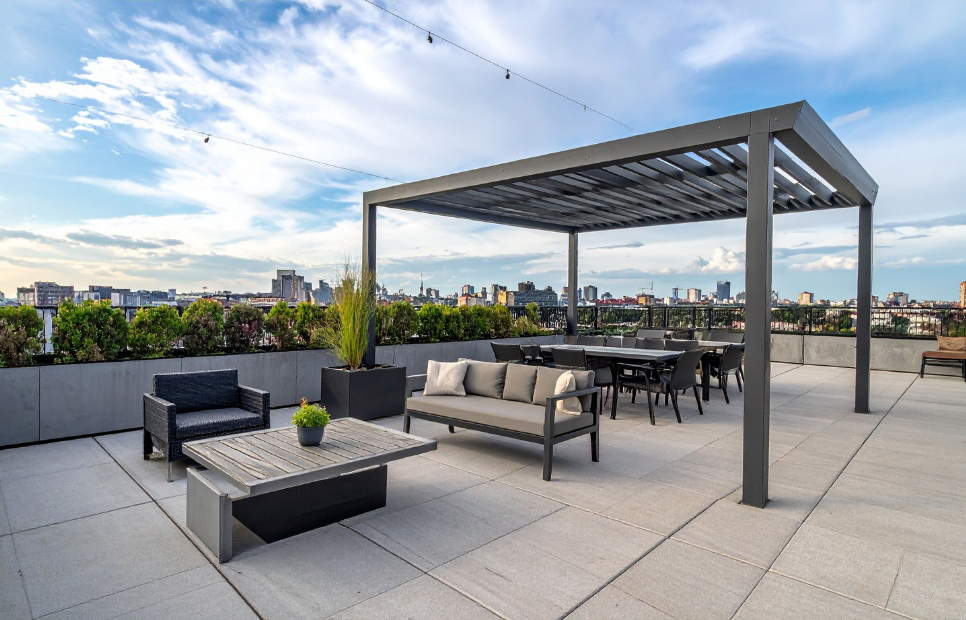
Pergolas are one of those outdoor upgrades that can change how a backyard feels without completely closing it in.
At All Good Roofing and Additions, we often hear homeowners ask, “What are pergolas good for?” The simple answer is shade, comfort, structure, and better use of outdoor space. The better answer depends on how the patio, yard, or garden is used day to day.
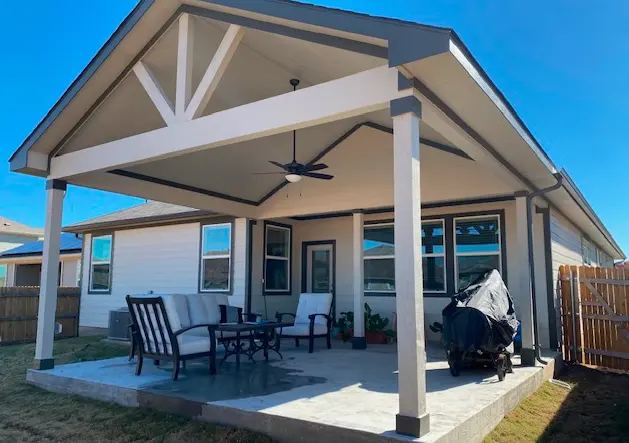
What Are Pergolas Good For in Everyday Outdoor Living?
So, what are pergolas good for if we are talking about real life and not just pretty backyard photos? They are good for creating a defined outdoor area that feels more finished than an open patio, but still keeps the fresh air, natural light, and open view that many homeowners want.
A pergola works well when a homeowner wants an outdoor space that feels intentional. Without any type of structure, a patio can feel like a slab of concrete with furniture on it. Add a pergola, and the space suddenly has a clear purpose. It becomes a sitting area, a dining spot, a garden feature, a grill station, or a transition between the house and yard.
Unlike a fully covered patio roof, a pergola usually has an open-beam or slatted top. That means it does not completely block the sky. Instead, it filters sunlight, provides partial shade, and adds architectural character to the outdoor area.
This is one of the reasons pergolas are popular for homeowners who want shade without making the patio feel dark or enclosed.
A pergola can also help homeowners better use awkward outdoor areas. A bare corner of the yard, a sunny section near the back door, or an unused side patio can become a practical outdoor feature with the right structure.
The goal is not always to build something massive. Sometimes, a pergola simply gives the backyard a center point.
Pergolas Create Partial Shade Without Closing Off the Space
One of the biggest reasons homeowners ask what pergolas are good for is to get relief from direct sunlight. A pergola can help with that, but it is important to understand what kind of shade it provides.
A traditional pergola does not create full roof coverage. The spacing between the beams allows sunlight to pass through.
That gives the patio a softer shade pattern instead of a solid shadow. For many homeowners, that is exactly the appeal. The area still feels bright, open, and connected to the yard.
This type of shade works especially well for morning coffee, casual seating, weekend lunches, or a relaxing evening outside. It can reduce the harshness of direct sunlight while still allowing airflow.
In hot climates, that open airflow matters. A fully enclosed or poorly ventilated space can feel stuffy, while a pergola keeps the air moving.
The amount of shade depends on several factors:
- The direction the pergola faces
- The spacing of the rafters or slats
- The height of the structure
- The time of day
- Whether shade cloth, plants, or covers are added
- The size of nearby trees, fences, or walls
For homeowners who want more coverage, a pergola can be upgraded with shade screens, canopy fabric, polycarbonate panels, or climbing plants. Those additions can make the area cooler and more comfortable while keeping the basic pergola feel.
Pergolas Help Define an Outdoor Room
A backyard can be open and still feel unfinished. A pergola helps solve that by giving the outdoor space a “room” effect. It creates a ceiling line, frames the area, and gives furniture a natural place to sit.
This is one of the most practical answers to the question, what are pergolas good for? They turn an outdoor area into a more usable living space.
Think about how indoor rooms work. A dining room has a clear purpose because walls, lighting, and furniture define it. Outdoors, there are no walls to guide the layout. A pergola adds that structure without fully enclosing the space.
Under a pergola, homeowners can create:
- An outdoor dining area
- A lounge with sofas or chairs
- A grill and prep zone
- A poolside sitting area
- A garden walkway feature
- A shaded reading spot
- A transition area between a patio cover and an open yard
The pergola gives visual order to the yard. It tells people where to gather, where to sit, and how to use the outdoor space. That may sound simple, but it makes a big difference in how often a family actually uses the backyard.
Pergolas Make Backyard Entertaining More Comfortable
If the backyard is used for hosting, a pergola can make the space more inviting. It gives guests a natural place to gather and makes the seating area feel more complete.
Without shade or structure, people often move inside once the sun gets too intense. A pergola can help extend time spent outdoors, especially during morning, late-afternoon, or evening gatherings.
Add lighting, fans, outdoor curtains, or comfortable furniture, and the space can feel like an outdoor living room.
For entertaining, pergolas work especially well over:
- Dining tables
- Outdoor sectionals
- Barbecue areas
- Fire pit seating zones
- Poolside lounge areas
- Small backyard kitchens
A pergola also helps with ambiance. String lights, pendant lights, climbing vines, or hanging plants can all attach to the structure. These details make the area feel more finished and comfortable without requiring a full room addition.
So, what are pergolas good for during gatherings? They help create a comfortable destination in the yard, rather than leaving guests scattered across an open patio.
Final Thoughts
A pergola can be one of the most useful additions to a backyard when the goal is comfort, shade, and a more finished outdoor living area without fully enclosing the space. The key is choosing the right size, material, placement, and level of coverage for the home.
Are you still wondering what pergolas are good for, and whether you need one? The best answer is simple: they help make outdoor space more usable, more comfortable, and more inviting.
All Good Roofing and Additions can help homeowners think through pergolas, patio covers, sunrooms, and other outdoor living upgrades based on how the space needs to work in real life.