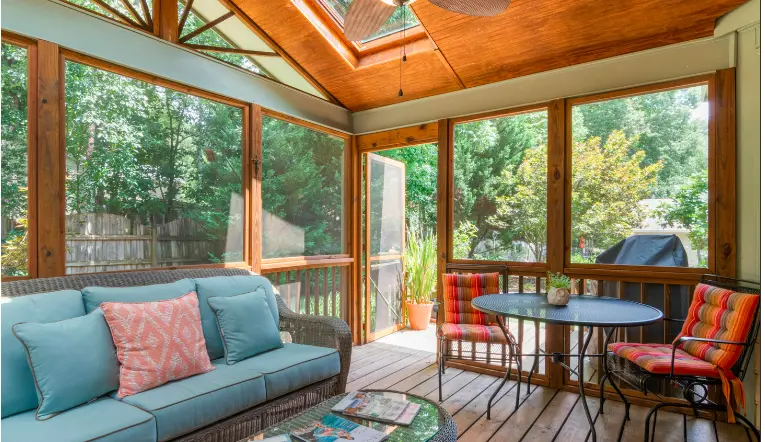
Outdoor cushions take a beating from sun, rain, pollen, dust, food spills, sunscreen, and everyday backyard use.
If you are wondering how to wash outdoor cushion covers safely, All Good Roofing and Additions knows that keeping cushions clean is part of keeping a patio comfortable, fresh, and ready for guests.
The good news is that most covers can be cleaned at home with the right method, mild products, and a little patience.
A Builder’s Guide on How to Wash Outdoor Cushion Covers Safely
Learning how to wash outdoor cushion covers safely starts with understanding the fabric. Outdoor cushions are built differently from indoor upholstery.
Most are made with solution-dyed acrylic, polyester blends, olefin, or treated fabrics that resist moisture and fading. Still, harsh cleaners, hot water, and aggressive scrubbing can shorten their lifespan.
Before doing anything else, check the manufacturer’s care label. Some covers are machine washable, while others require hand cleaning. Ignoring the label can lead to shrinkage, faded colors, weakened seams, or water-resistant coatings wearing off too soon.
A safe cleaning process usually includes:
- Removing loose dirt first
- Spot treating stains before washing
- Using mild soap instead of strong chemicals
- Avoiding bleach unless approved by the manufacturer
- Air drying completely before reinstalling
Many homeowners spend time comparing features like metal vs. aluminum patio covers for durability and weather resistance, yet overlook how exposure affects the fabrics beneath those covers. Cushion care and patio design work together more than people realize.
Why Outdoor Cushion Covers Get Dirty So Quickly
Outdoor cushions collect more than visible dirt. Even covered patios expose fabrics to airborne contaminants and moisture. Here are the most common causes of buildup:
Pollen and Dust
Pollen settles deep into woven fabric fibers, especially during spring and summer. Dust also accumulates fast in dry climates and near roads.
Mold and Mildew
Moisture trapped inside cushion covers creates an environment where mildew thrives. This often happens after rainstorms or humid weather.
Sunscreen and Body Oils
Pool areas and backyard lounges see plenty of sunscreen, sweat, and food spills. Oils soak into fabrics and attract more dirt over time.
Tree Sap and Bird Droppings
Patios near landscaping deal with additional challenges. Sap hardens quickly, while bird droppings can stain permanently if left untreated.
Smoke and Cooking Residue
Outdoor kitchens and grills release grease particles that settle onto nearby furniture.
Homeowners researching metal vs aluminum patio covers often focus on shade and weather protection, but airflow and ventilation also affect how quickly outdoor fabrics dry after exposure to moisture.
Start With a Full Inspection Before Washing
Before tossing cushion covers into a washing machine, inspect them carefully.
Look for:
- Loose stitching
- Small tears
- Worn zippers
- Mold spots
- Faded or weakened fabric sections
Aggressively washing damaged covers can make the problem worse. Small seam separations can become large rips during a spin cycle.
If cushions have removable inserts, take them out first. Never wash foam inserts unless the manufacturer specifically says they are washable.
Supplies That Work Best for Outdoor Cushion Cleaning
Safe cleaning depends heavily on using the right products. Strong household cleaners can strip away water-resistant treatments.
Recommended supplies include:
- Mild dish soap
- White vinegar
- Soft-bristle brush
- Microfiber cloths
- Spray bottle
- Garden hose
- Baking soda
- Laundry detergent labeled safe for delicate fabrics
Avoid:
- Straight bleach
- Wire brushes
- Pressure washers
- Harsh degreasers
- Abrasive scrubbing pads
Many outdoor living professionals recommend gentle maintenance instead of occasional deep cleaning. The same principle applies to metal vs aluminum patio covers, where routine upkeep helps prevent bigger issues later.
How to Remove Loose Dirt Before Washing
Dry debris should always be removed before applying water.
Start by:
- Shaking the covers outside
- Vacuuming seams and corners
- Using a soft brush to loosen embedded dust
- Removing leaves or twigs trapped in zippers
This step prevents dirt from turning into muddy residue during washing.
For cushions under trees or near gardens, debris removal is even more important. Organic material left on damp fabric can quickly trigger mildew growth.
Spot Cleaning Stains Before Full Washing
Not every stain needs a full wash cycle. Spot treatment often works well for small spills.
-
Food and Drink Stains
Mix warm water with mild soap. Dab the stain gently using a microfiber cloth. Avoid rubbing aggressively because it pushes stains deeper into the fabric.
-
Grease Stains
Sprinkle baking soda over the area first. Let it absorb oils for 15 minutes before brushing it away and cleaning with soap.
-
Mold and Mildew
Mix equal parts white vinegar and water in a spray bottle. Apply lightly and let it sit for several minutes before gently scrubbing.
-
Tree Sap
Place ice in a plastic bag and hold it against the sap until it hardens. Carefully scrape away residue using a plastic scraper.
Outdoor spaces with partial shade often hold moisture longer than expected. That is another reason homeowners comparing metal vs aluminum patio covers should think beyond appearance and consider drainage and airflow too.
Can Outdoor Cushion Covers Go in the Washing Machine?
Sometimes yes, sometimes no.
Machine washing depends entirely on the fabric type and care instructions.
If machine washing is allowed:
- Use cold or lukewarm water
- Select a gentle cycle
- Use mild detergent
- Wash similar colors together
- Avoid fabric softeners
Never overload the washing machine. Cushion covers need room to move freely.
High heat is one of the biggest mistakes homeowners make. Hot water and high dryer temperatures can shrink fabric or weaken protective coatings.
Final Thoughts
Learning how to wash outdoor cushion covers safely helps outdoor furniture last longer, look cleaner, and stay more comfortable throughout the year. Gentle cleaning methods, proper drying, and regular upkeep go a long way toward preventing mildew, fading, and fabric damage.
A well-protected patio also makes a major difference. Shade structures reduce weather exposure and help preserve outdoor furnishings over time.
For homeowners looking to improve their outdoor living spaces, All Good Roofing and Additions provides patio cover and exterior improvement services to create more functional, comfortable outdoor environments.