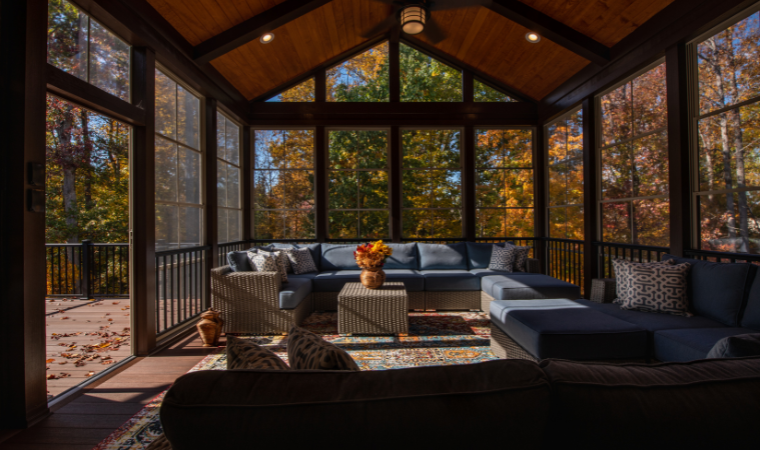
Patios often feel like warm-weather spaces, yet more homeowners are choosing to enjoy them year-round. With the right setup, your patio can shift from a summer hangout to a cozy, winter-friendly retreat that still feels connected to the outdoors. That’s where patio enclosures are an essential upgrade.
As builders who work on patio covers, sunrooms, and enclosed additions, we’ve seen how a carefully planned enclosure can change the way your home functions throughout the year.
This article explores what makes patio enclosures for winter effective, the elements that matter during installation, how professionals winterize outdoor spaces, and why a thoughtful approach leads to better comfort, style, and durability over time.
Why Homeowners Choose Patio Enclosures for Winter
Using a patio in winter was difficult due to wind, cold drafts, temperature drops, and inadequate insulation.
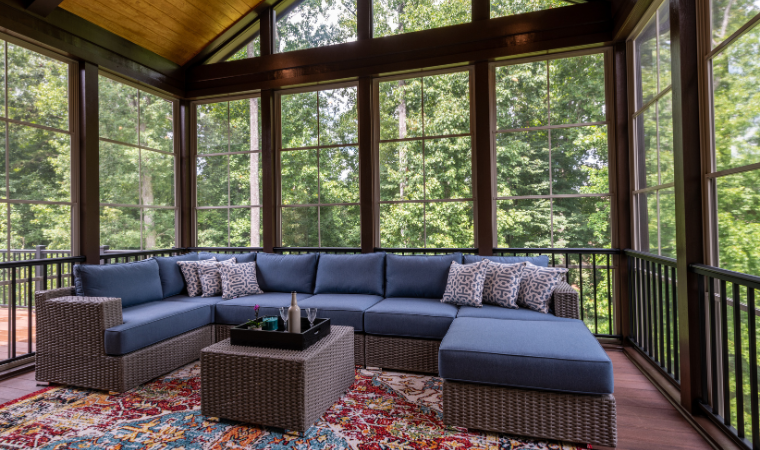
However, with the rise of flexible construction materials and better design options, patio enclosures for winter now give homeowners a way to protect their outdoor areas from harsh conditions while still enjoying natural light and backyard views.
Homeowners typically seek this upgrade for reasons such as:
- Wanting more usable square footage during the cold season
- Expanding entertainment areas during holidays and gatherings
- Creating a sun-filled retreat to escape colder indoor rooms
- Protecting outdoor furniture and décor
- Increasing the comfort of an existing patio without rebuilding from scratch
These motivations often guide the choice of enclosure. Some want a simple wind barrier, while others prefer a fully insulated, semi-permanent structure. That’s why professional planning is so valuable.
Every home has different framing, exposure, and load-bearing capabilities, and understanding these factors helps avoid issues such as heat loss, condensation, and structural pressure during storms.
Understanding What Makes a Winter-Ready Patio Enclosure
A strong winter enclosure does more than block cold air. It creates a controlled environment that feels inviting, safe, and temperature-stable. To achieve that, several layers of design and material selection must work together.
1. Insulation and Thermal Performance
Proper insulation is one of the key differences between seasonal fixes and professionally installed patio enclosures for winter. Without insulation, heat escapes quickly, leading to high energy use and discomfort.
Professional builders typically focus on:
- Thermal breaks in framing
- Insulated roof panels
- Multi-layer wall and ceiling construction
- High-performing wall systems that resist heat transfer
A well-insulated structure can be used throughout the cold season without constant reliance on space heaters.
2. Window and Glass Selection
Homeowners may try to learn how to enclose a patio with glass online, but the type of glass matters even more than the visual style. Winter enclosures benefit from:
- Double-pane or low-E glass
- Framing that minimizes air leakage
- Windows positioned to capture natural light
- Panels that can handle temperature swings without warping
Glass options affect energy efficiency, comfort, and appearance. Choosing the right material is one of the most important decisions in the design process.
3. Air Sealing and Door Systems
A winter enclosure is only as strong as its seals. Drafts enter through poorly fitted door frames, loose weatherstripping, and gaps around panels.
Professionals focus on preventing these issues by:
- Installing insulated storm doors
- Using high-quality sealing materials
- Checking for air leaks around corners and joints
- Designing door swings that fit the enclosure layout
These details are often overlooked in DIY installations, which can lead to temperature inconsistencies and moisture buildup.
4. Heating Compatibility
While an enclosure retains heat, many homeowners add supplemental heating for comfort. Choosing the right system depends on the enclosure’s size and materials, as well as local building codes.
Common solutions include:
- Electric heaters
- Built-in climate systems for more permanent enclosures
- Radiant floor heating (in some cases)
Professional installers assess safety requirements before recommending heating options, especially when the enclosure includes vinyl panels, acrylic windows, or limited ventilation.
How Professionals Plan Patio Enclosures for Winter
Building patio enclosures for winter requires more than adding panels. A true winter-ready space must handle snow load, wind pressure, temperature swings, and moisture—all without damaging the home’s exterior.
Here’s how professionals approach the project:
1. Evaluating the Existing Patio Structure
Before building, we assess:
- Foundation strength
- Roofline compatibility
- Framing stability
- Drainage patterns
- Any existing cracks or vulnerabilities
This evaluation determines whether the patio can support a roof extension, insulated walls, or full glass panels. Skipping this step leads to issues such as sagging frames or water leaks.
2. Choosing a Winter-Ready Design
There are many patio enclosure ideas for winter, yet the design must match the home’s structure.
Common enclosure types include:
- Three-season rooms upgraded for cold weather
- Glass wall enclosures
- Insulated panel systems
- Hybrid walls combining vinyl, screen, and glass
- Sunroom-style constructions
Professional builders help homeowners compare these options based on long-term durability and energy retention.
3. Selecting Materials That Hold Up in Cold Weather
Material selection affects lifespan and comfort. Professionals typically recommend:
- Insulated aluminum or composite framing
- Reinforced roofing
- Cold-resistant window materials
- Moisture-resistant trim and floor details
The wrong materials crack, warp, or shift during freezing temperatures. That’s why relying on patio enclosure kits for winter without understanding structural limits can lead to premature wear.
4. Addressing Ventilation and Moisture Control
Winter use increases humidity inside the enclosure due to heating and reduced airflow. To prevent condensation:
- Ventilation systems
- Airflow gaps where needed
- Proper ceiling materials
- Moisture-resistant flooring
These steps keep the space comfortable without risking mold or damp surfaces.
5. Integrating the Enclosure Into the Home
A winter enclosure should look natural and cohesive. Professionals align the roofline, match exterior finishes, and create smooth transitions between indoor and outdoor spaces.
This level of integration often surprises homeowners because it transforms the patio into a permanent, warm, and inviting room.
Preparing Your Home for a Winter Patio Upgrade
Before adding an enclosure, homeowners should consider:
- How often will the space be used
- Preferred style and materials
- Local climate patterns
- Future needs such as heating, lighting, or furniture
- How the enclosure will connect to the rest of the home
These questions help professionals develop designs that feel natural and function well throughout the season.
The Long-Term Value of Winter Patio Enclosures
A well-built enclosure does far more than winterize a patio. It transforms your living environment and improves home comfort year-round.
Long-term benefits include:
- Extra usable space across all seasons
- Better property value
- Enhanced comfort and relaxation
- Increased visual appeal
- Protection for outdoor furniture
- A sense of connection to the outdoors, even in cold weather
Homeowners often find that winter enclosures become among the most-used spaces in their homes, especially during holidays or on colder evenings.
Why Professional Installation Matters
As a homeowner, you may be searching for quick guides to winterizing your patio, but long-term comfort requires skilled installation. A winter enclosure must meet structural requirements, insulation standards, and energy expectations.
Professional builders understand how to layer materials correctly, prevent future damage, and deliver a space that stays functional for decades.
Let’s Get Started
If you’re exploring patio enclosures for winter, want to compare features, or need guidance on which type best fits your home, All Good Roofing and Additions can walk you through every step. Your patio can become a warm extension of your home, and winter may become one of your favorite seasons to enjoy it.