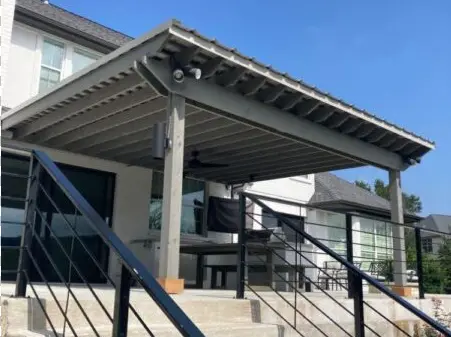
Austin heat is no joke. Long summers, intense sun, and high UV exposure can wear down outdoor structures faster than most homeowners expect. That’s why choosing the right material matters. When comparing metal vs aluminum patio covers, the decision goes beyond looks.
At All Good Roofing and Additions, we’ve seen how different materials perform over time, especially in Central Texas conditions. This guide breaks it all down in a clear, practical way.
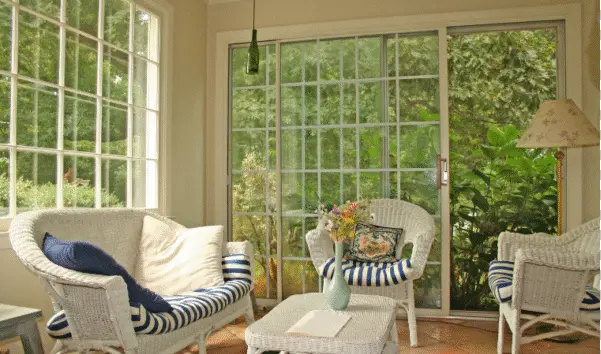
Metal vs Aluminum Patio Covers: What Works Best in Austin Heat?
When homeowners start comparing metal vs aluminum patio covers, the conversation usually begins with durability and heat resistance. But in Austin, there’s more to consider. Heat reflection, expansion, maintenance, and even how the structure feels underneath all play a role.
Metal patio covers typically refer to heavier materials like steel, while aluminum covers are lighter and more commonly used for residential installations. Both can handle outdoor exposure, but they behave very differently under constant sun.
Understanding those differences early helps avoid costly changes later.
How Austin’s Climate Impacts Patio Cover Materials
Before getting into materials, it helps to understand what patio covers face in Austin every year.
Summer temperatures regularly push past 100°F. UV exposure is constant. Sudden storms can roll in with heavy rain and strong winds. Then there’s humidity, which can lead to corrosion if materials aren’t properly treated.
All of this affects how patio covers perform over the long term.
Materials that trap heat can make your patio uncomfortable. Materials that expand too much can loosen fasteners or warp over time. And materials that don’t resist moisture well can start breaking down faster than expected.
That’s why the metal vs aluminum patio covers comparison matters so much in this region.
What Are Metal Patio Covers?
Metal patio covers are often built using steel or similar heavy-duty materials. These systems are known for their strength and structural integrity.
They are commonly used in commercial settings or for large-span installations where extra support is needed. In residential projects, steel patio covers are less common but still an option.
Key Characteristics of Metal Patio Covers
- Heavier material with strong load-bearing capacity
- Can support larger spans without additional posts
- Often powder-coated or treated to resist corrosion
- More rigid compared to aluminum
Steel holds up well under pressure, which makes it appealing for certain builds. But weight and heat retention can become drawbacks, especially in hot climates like Austin.
What Are Aluminum Patio Covers?
Aluminum patio covers are widely used in residential construction. They are lighter, easier to install, and designed to handle outdoor exposure with minimal upkeep.
Modern aluminum systems often come with insulated panels or reflective coatings that help reduce heat buildup.
Key Characteristics of Aluminum Patio Covers
- Lightweight and easier to install
- Naturally resistant to rust
- Reflects heat better than steel
- Available in insulated and non-insulated options
In most Austin homes, aluminum patio covers strike a balance between performance and comfort.
Heat Resistance: Which Material Stays Cooler?
This is one of the biggest deciding factors when comparing metal vs aluminum patio covers.
Steel absorbs and retains heat. After hours under direct sunlight, it can become extremely hot to the touch. That heat can radiate downward, making the patio area uncomfortable during peak hours.
Aluminum, on the other hand, reflects more sunlight. It doesn’t retain heat as well as steel, especially when paired with insulated panels. From real-world installations, the difference is noticeable.
What We See on Job Sites
- Aluminum covers tend to stay cooler underneath
- Insulated aluminum panels reduce heat transfer even more
- Steel covers can create a warmer shaded area due to heat retention
For homeowners planning to use their patio on summer afternoons, aluminum usually offers a better experience.
Durability and Strength in High Heat
Both materials are strong, but they handle stress differently.
Steel is tougher in terms of raw strength. It resists bending and can handle heavier loads. That’s why it’s often used for larger structures.
But aluminum isn’t weak. It’s engineered for outdoor use and holds up well in residential applications.
Key Differences in Strength
- Steel is stronger for large spans
- Aluminum is strong enough for most backyard patio covers
- Aluminum doesn’t put as much stress on existing structures due to its lighter weight
When comparing metal and aluminum patio covers, the right choice depends on the patio’s size and design. For most homes in Austin, aluminum provides more than enough strength without the added weight.
Expansion and Contraction in Texas Heat
This is something many homeowners don’t think about at first.
All materials expand and contract with temperature changes. In Austin, that swing can be significant between morning and afternoon.
Steel expands less than aluminum, but because it retains more heat, the overall stress on connections can still be an issue.
Aluminum expands slightly more, but modern systems are designed to accommodate that movement.
Why This Matters
- Poorly installed systems can loosen over time
- Fasteners and joints need to handle movement properly
- Quality installation matters just as much as material choice
This is where working with experienced builders makes a difference. A properly installed aluminum system will perform reliably even with daily heat cycles.
Maintenance Requirements Over Time
Maintenance is another major factor in the metal vs aluminum patio covers discussion.
Steel patio covers often require more upkeep. Even when coated, they can develop rust if the finish is damaged. Meanwhile, aluminum doesn’t rust. That alone makes a big difference for homeowners who want something low-maintenance.
Cost Considerations in Austin Projects
Cost always plays a role, but it’s not just about upfront pricing. Steel patio covers can be more expensive due to material weight, labor, and structural requirements.
On the other hand, aluminum systems are often more budget-friendly for residential use, especially when factoring in installation time and long-term maintenance.
What Impacts Cost
- Size of the patio cover
- Type of panels used
- Insulation options
- Structural requirements
- Labor complexity
When comparing metal vs aluminum patio covers, aluminum often delivers better value for typical backyard projects in Austin.
Final Thoughts
Choosing between metal vs aluminum patio covers comes down to how the space will be used and what matters most long term.
For most Austin homeowners, aluminum offers a better balance of comfort, durability, and ease of maintenance. It handles heat more effectively, requires less upkeep, and provides more design options.
Metal patio covers still have their place, especially for larger or more demanding structures. But for everyday backyard use, aluminum tends to be the more practical choice.
At All Good Roofing and Additions, we help homeowners sort through these decisions based on real-world performance, not just specs on paper.
Whether it’s a simple patio cover or a fully customized outdoor space, choosing the right material is the first step toward building something that actually works in Austin’s heat.