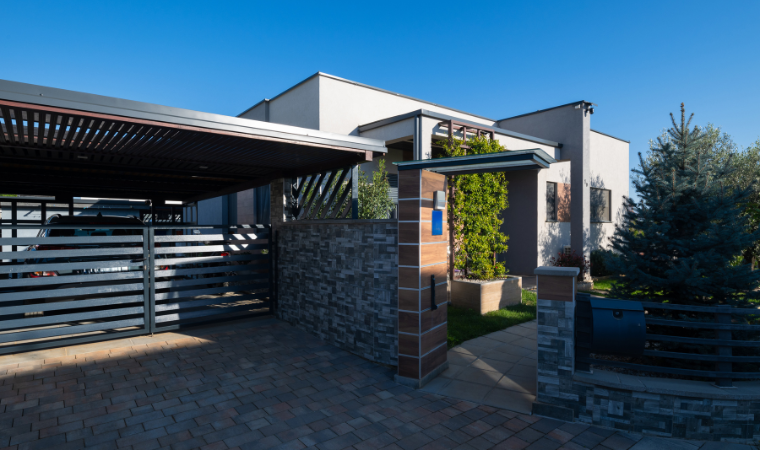
Austin homes are anything but one-style-fits-all. A carport that looks right on a Hyde Park bungalow may feel out of place beside a Hill Country stone home or a sharp South Austin modern build.
At All Good Roofing and Additions, we look at carport designs as part of the house, not as an afterthought. The right structure should shade the vehicle, handle Central Texas weather, and look like it belongs.
Why Carport Designs Should Fit the House, Not Fight It
A carport is one of the first things people notice from the street. If the scale, roofline, posts, or color feel wrong, the whole front of the home can feel off. That matters in Austin because local homes have a lot of personality.
Some have deep porches and exposed rafters. Some have long, low rooflines. Others mix limestone, stucco, wood, steel, and glass on a single exterior.
Good carport designs start with the house that is already there. The goal is not to force a stock structure onto the driveway.
The goal is to study the home, then build a cover that feels planned from the beginning. That means matching the roof pitch where it makes sense, repeating trim colors, choosing posts that fit the architecture, and ensuring the structure has enough strength to withstand heat, wind, rain, and hail.
A good carport also solves daily problems in Austin.
It protects paint from harsh sunlight, keeps seats and dashboards cooler, provides a dry path from the driveway, and can shade trucks, boats, trailers, work vehicles, golf carts, and outdoor equipment. When planned well, it adds function without making the home feel crowded.
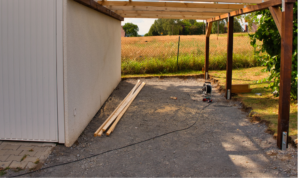
Austin Home Styles Need Different Carport Choices
Austin neighborhoods do not all look alike. A carport near Hyde Park, Travis Heights, Allandale, Mueller, Circle C, Westlake, East Austin, or Dripping Springs may need a different approach.
That is one reason kit-style covers often miss the mark. They may protect a vehicle, but they can hurt curb appeal if the proportions are wrong.
The best carport designs take cues from the home’s shape, age, roof form, materials, and setting. A simple metal cover may be perfect on a modern home.
A wood-framed cover with exposed rafters may sit better beside a Craftsman bungalow. Meanwhile, a stone-accented structure may make sense on a Hill Country property. A low-profile flat or shed roof may match a mid-century home better than a tall gable.
Before choosing a material or size, it helps to consider a few basics: the home’s height, roof shape, exterior materials, driveway location, tree clearance, HOA rules, drainage, and setback limits. Those details shape nearly every part of the final build.
Craftsman and Bungalow Homes Need Warmth and Detail
Craftsman and bungalow homes are common in older areas of Austin. They often have low-pitched roofs, wide eaves, front porches, tapered columns, exposed rafters, and a comfortable handmade feel. A plain metal box can look too cold beside this kind of house.
For these homes, wood-framed carport designs often work well because they repeat the natural warmth already found in the trim, porch, or siding.
A gabled roof can match the home’s main roof shape. Exposed rafter tails can be used to connect the new cover to the porch. Square or tapered posts can give the carport the right weight, especially if the home already has porch columns.
Ranch Homes Look Better With Low, Clean Lines
Ranch homes are spread across Austin, especially in areas with larger lots and single-story homes. These houses usually have long rooflines, simple forms, broad driveways, and a relaxed indoor-outdoor layout. A carport that gets too tall or too ornate can fight that low profile.
For ranch homes, simple carport designs usually look best. A long shed roof, low gable, or low-pitched metal roof can follow the shape of the house. Posts should feel sturdy but not oversized. The roof should be wide enough for daily use, but it should not swallow the front elevation.
Mid-Century Homes Need Lightness and Strong Geometry
Mid-century homes have a different rhythm. Many use flat or low-sloped roofs, wide overhangs, clerestory windows, and simple geometric shapes. A new carport should respect that clean look.
The best carport designs for mid-century homes often use slim posts, flat planes, open sides, and strong horizontal lines. A shed roof can work well if it keeps a thin edge. A flat roof can also work, but it requires careful drainage planning because Austin storms can drop heavy rain quickly.
Materials should feel crisp. Painted steel, aluminum, smooth wood soffits, concrete pads, and simple fascia lines all fit the mid-century look. The cover should shade the vehicle without making nearby rooms feel dark, so height, roof color, and placement matter.
Hill Country Homes Call for Stone, Timber, and Metal Roofs
West of Austin and across nearby communities, Hill Country homes often use limestone, cedar, deep porches, metal roofing, wide eaves, and natural colors. These homes are built to feel connected to the land, so carport designs should feel grounded, practical, and strong.
A Hill Country carport may use cedar posts, stained beams, stone column bases, and a metal roof that matches the main home.
Gabled roofs are common, but shed roofs can also work if they follow the land’s slope or connect to an existing outdoor living area. Wider overhangs are useful because they provide shade and help direct rainwater away from vehicles and walkways.
Common Carport Design Mistakes Austin Homeowners Should Avoid
The biggest mistake is treating the carport as a separate object rather than as part of the home. That usually leads to the wrong roof shape, color, height, or post style.
Another common issue is making the carport too small. A 10-foot-wide cover may fit a car on paper, but in real life, there are mirrors, open doors, trash bins, bikes, and people walking through the space.
Poor drainage is another problem. If water dumps off the roof at the entry path, the carport will cause frustration every time it rains. The right material should match the house, handle Austin weather, and fit the owner’s maintenance habits.
Wrapping Up
The smartest approach is to plan the carport like a true part of the property. Roofline, material, color, height, drainage, lighting, permit needs, and vehicle clearance all deserve attention before the first post goes in.
For homeowners comparing carport designs or planning a new outdoor cover, All Good Roofing and Additions can help connect the structure to the home’s style while keeping Austin weather and daily use in mind.
From carports and patio covers to pergolas, screen rooms, and sunrooms, the right addition should look natural, work hard, and make the home easier to enjoy.