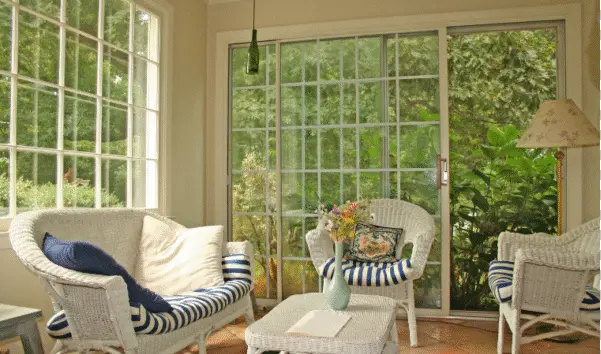
Deck covers for rain can turn an exposed backyard deck into a more usable outdoor space, especially during wet weather.
For homeowners comparing roof styles, materials, drainage, and long-term upkeep, the right cover makes a big difference.
All Good Roofing and Additions works with outdoor living structures, patio covers, sunrooms, and related home additions, so this topic directly relates to how covered spaces perform in real homes.
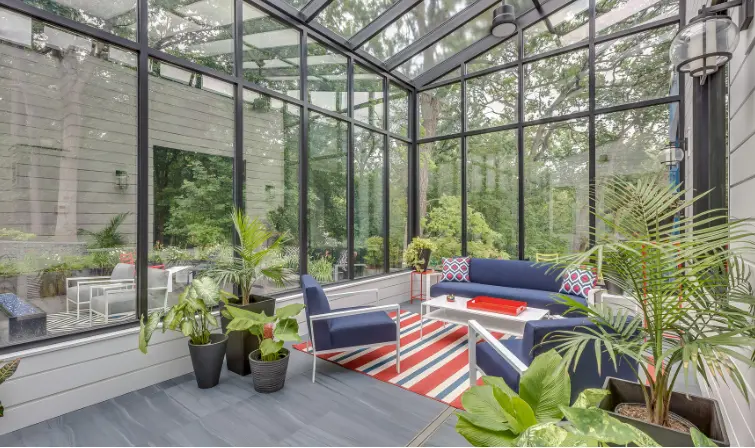
Choosing Deck Covers for Rain That Actually Keep the Space Usable
A deck cover should do more than block a quick drizzle. It should help move water away from the deck, protect outdoor furniture, reduce the risk of slippery surfaces, and make the area comfortable enough to use after a storm passes.
That is where many homeowners get surprised. A cover can look great from the yard but still fail during heavy rain if the pitch is too shallow, the edges are exposed, or the gutters cannot keep up. A good rain cover is a full system, not just a roof panel installed above the deck.
The main parts of that system include:
- A roof material that sheds water well
- Proper slope so rain does not pool
- Gutters or drainage paths
- Secure framing that can handle wind and weather
- Flashing where the cover connects to the home
- Enough overhang to reduce wind-blown rain
- A layout that works with the existing deck and door openings
Deck covers for rain should be designed with how water behaves in mind. Rain rarely falls straight down. In many storms, wind pushes water sideways, gutters overflow if undersized, and splashback can wet the edges of the deck.
That is why the best result usually comes from looking at the full deck area, not just the part directly overhead.
Why an Open Deck Struggles During Rainy Weather
An uncovered deck takes the full hit from every storm. Wood decking can absorb moisture, composite boards can get slick, and outdoor furniture cushions may stay damp long after the sky clears. Even if the deck material is rated for outdoor use, constant exposure speeds up wear.
Rain also affects how the space is used. A grill area becomes inconvenient. Dining outside becomes impossible. Kids and pets track water indoors. Homeowners may love the idea of a deck, but without cover, it often becomes a fair-weather space.
A cover helps solve several everyday problems:
- It reduces direct rain exposure on the walking surface.
- It helps protect furniture, rugs, and cushions.
- It makes the deck easier to use during light rain.
- It can reduce the amount of water pooling near doors.
- It adds shade during sunny parts of the year.
Still, a cover is not magic. If the deck is low, poorly sloped, or surrounded by drainage issues, water may still collect around the area. That is why rain protection should be addressed alongside deck drainage, grading, and roof runoff.
The Main Types of Deck Covers for Rain
There are several ways to cover a deck, and each option performs differently during rain. The right choice depends on budget, home style, deck size, maintenance expectations, and how permanent the homeowner wants the structure to be.
Solid Roof Deck Covers
A solid roof is usually the strongest option for rain protection. It may include aluminum or insulated panels, metal roofing, shingles that match the home, or other solid patio-roof materials. Solid covers block direct rain and can be built with gutters for controlled drainage.
For homeowners who want the deck to feel like an outdoor room, this is usually the most practical route. Solid deck covers for rain can support ceiling fans, lights, and other comfort features when properly built. They also provide consistent shade, which matters in hot climates.
Insulated Patio Cover Panels
Insulated panels are a common choice for homeowners who want rain protection and better temperature control. These panels usually have metal skins with a foam core. The foam adds stiffness and helps reduce heat transfer below the cover.
For decks that get strong sun and frequent rain, insulated panels can be a smart middle ground. They shed water like a solid cover while helping the space feel less hot underneath.
They also tend to create a cleaner finished ceiling appearance compared with some exposed-frame options. That matters if the deck is used for meals, entertaining, or relaxing.
Aluminum Deck Covers
Aluminum is popular because it resists rust, handles water well, and requires less upkeep than wood. It is also lighter than many other roof materials, which can help with certain deck layouts.
Aluminum deck covers for rain are often a strong fit for homeowners who want low-maintenance coverage. They work well with gutters and can be finished in colors that blend with the home.
The tradeoff is sound. Rain hitting metal panels can be louder than rain hitting insulated panels or shingles. Some homeowners like that sound. Others prefer a quieter cover, especially if the deck sits near bedrooms or living spaces.
Wood Patio Covers
Wood offers a warm, classic look. It can be built to match traditional and craftsman-style homes, as well as backyard spaces where natural materials are preferred. However, wood needs more care in rainy conditions.
A wood-framed cover can perform well if it has the right roof material, proper sealing, and good drainage. But exposed rafters, posts, and trim should be maintained to reduce rot, swelling, and staining.
Wood can be a good choice for appearance, but the homeowner should be realistic about maintenance. Paint, stain, sealant, and inspections are part of the long-term picture.
Polycarbonate Deck Covers
Polycarbonate panels allow natural light to pass through while still blocking rain. They are often used where homeowners want protection without making the deck feel dark. Some panels also have UV protection, depending on the product.
Polycarbonate can work well, but it is not the same as a fully shaded solid roof. It may allow more heat into the space, and it can be noisier during storms. It can also scratch if cleaned with harsh tools or abrasive products.
Pergolas With Added Rain Panels
A standard pergola is not built for rain protection. It provides partial shade but leaves gaps where water comes through. Some homeowners add clear panels, fabric, or retractable canopies to make a pergola more rain-friendly.
It can work for light rain, but it usually does not perform like a true roof. Fabric can sag, collect debris, or wear out. Poorly installed panels can leak around fasteners. If rain protection is the main goal, a solid patio cover is usually the better investment.
Are Deck Covers Worth It for Rain Protection?
For homeowners who already enjoy spending time outside, deck covers for rain can be worth it. A covered deck gives the space more purpose. It becomes a place for morning coffee during a drizzle, a dry path from the back door, a protected grilling zone, or a shaded sitting area after the rain stops.
The value depends on the quality of the build. A flimsy cover or poor drainage can create frustration. A well-planned cover can make the deck feel like a real extension of the home.
The strongest return often comes from solving a real problem. If rain keeps the deck unused for days, if furniture keeps getting soaked, or if the back door area gets slippery, a cover can change how the space functions.
Ready to make your deck more usable during rainy weather? Contact All Good Roofing and Additions to discuss deck covers for rain and find the right covered outdoor living option for your home.