Many homeowners eventually consider enclosing an Austin patio to get more use out of their outdoor space.
Central Texas weather can be unpredictable. One week might bring intense heat, while the next brings storms or heavy pollen. Turning an open patio into a covered, protected area creates a space that can be enjoyed year-round.
At All Good Roofing and Additions, we often encounter many Austin homeowners asking about enclosing patios, the permits required, and what the project typically costs. These are some details we discuss with them before starting a project.
What to Know Before Enclosing an Austin Patio
Before starting the process of enclosing an Austin patio, it helps to understand that the project is more than simply adding walls around an existing slab. Several factors influence the design, cost, and construction process.
In Austin, patios come in many forms. Some homes have a basic concrete slab behind the house. Others already have a covered patio or pergola. The starting structure plays a big role in determining the enclosure’s final appearance.
A typical patio enclosure project may involve:
- Extending the existing roofline
- Adding structural framing
- Installing windows or screens
- Upgrading electrical outlets or lighting
- Improving insulation or ventilation
Each home is different, so the final structure often depends on the homeowner’s goals. Some homeowners want a fully enclosed room similar to a sunroom. Others prefer a screened patio that blocks insects while still allowing airflow.
When homeowners start planning this type of project, three questions usually come up first:
- Do permits apply to patio enclosures in Austin?
- How much does the project cost?
- What benefits make it worth doing?
Understanding these points early helps homeowners avoid surprises later in the process.
Why Austin Homeowners Are Enclosing Patios
Outdoor living spaces have become a major focus for homeowners across Texas. Austin, in particular, has a culture built around backyard gatherings, grilling, and relaxing outside.
However, several local conditions push homeowners toward enclosing patios instead of leaving them open.
1. Texas Heat
Summer temperatures in Austin regularly exceed 95°F. Direct sun exposure can make an open patio uncomfortable for much of the day. Adding walls, shade, and ventilation helps reduce heat exposure.
2. Mosquitoes and Insects
Austin’s climate also creates a thriving mosquito population, especially near creeks and greenbelts. Screened patio enclosures allow homeowners to enjoy evenings outdoors without being bothered by insects.
3. Sudden Rainstorms
Central Texas storms often arrive quickly and without much warning. An enclosed patio offers shelter without forcing everyone inside the house.
4. Expanding Living Space
For many families, enclosing an Austin patio effectively adds a new room to the house. This space can serve as:
- A second living area
- A home office
- A casual dining space
- A playroom for children
- A relaxation area connected to the backyard
Because of these advantages, patio enclosures have become one of the most common outdoor improvement projects in Austin homes.
Permit Requirements for Enclosing an Austin Patio
One of the most important steps when enclosing an Austin patio is understanding the permit requirements. Many homeowners assume patio enclosures are simple backyard projects, but the City of Austin typically treats them as structural additions to the home.
When Permits Are Required
A permit is generally required if the project involves:
- Adding walls or structural framing
- Extending the roof
- Installing electrical components
- Modifying the building footprint
These changes affect the home’s structure, so a city review is necessary.
Why the City Requires Permits
Permits exist to verify that the project meets building codes related to:
- Structural stability
- Roof load requirements
- Electrical safety
- Fire safety standards
Austin building codes also address wind resistance and drainage, both of which are important in Central Texas weather conditions.
Typical Permit Process
The permit process for enclosing an Austin patio often includes the following steps:
- Project design and plans
Construction drawings showing dimensions, materials, and structural elements. - City plan review
The City of Austin reviews the plans to verify code compliance. - Permit approval
Once approved, construction can begin. - Inspections during construction
Inspectors may review framing, electrical work, and the final structure.
While permits add a step to the process, they help protect homeowners by confirming the structure is safe and compliant with local codes.
HOA Rules and Neighborhood Restrictions
Beyond city permits, some homeowners must also consider neighborhood or HOA guidelines.
Many Austin communities have architectural review boards that oversee exterior modifications to homes. Patio enclosures may require approval before construction begins.
Common HOA concerns include:
- Roof style matches the existing home
- Exterior materials and color
- Window appearance
- Distance from property lines
Homeowners who skip this step sometimes face requests to modify or remove the structure later, which can be expensive. Checking HOA guidelines early helps avoid these issues.
Types of Patio Enclosures Popular in Austin
When homeowners consider enclosing an Austin patio, several design styles are available. Each type serves a slightly different purpose.
Screened Patio Enclosures
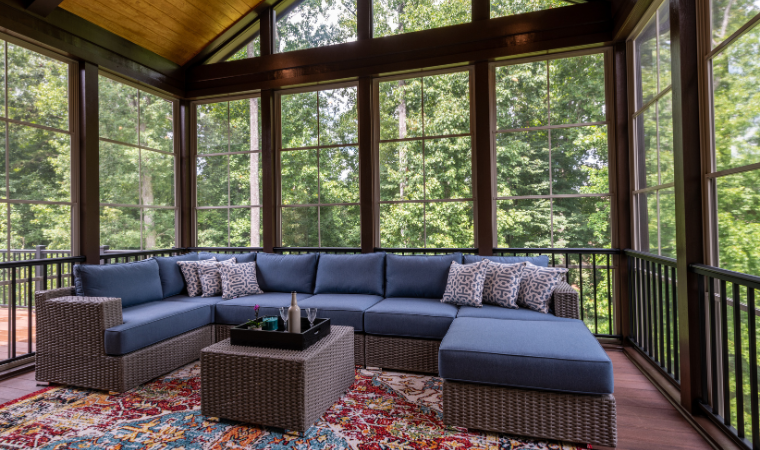
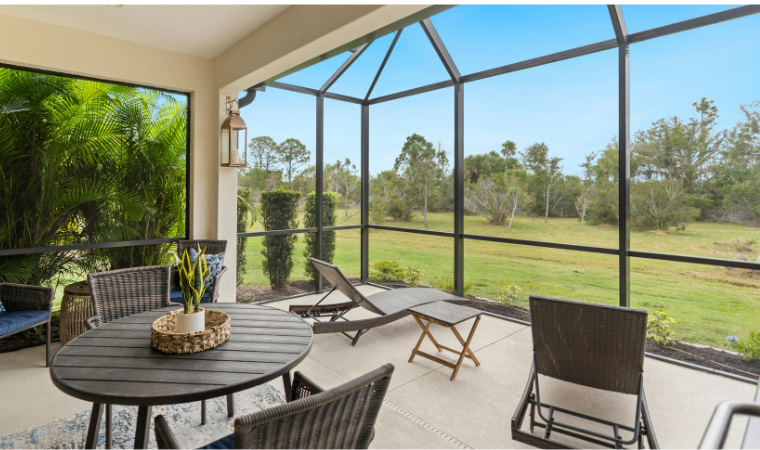
Screened patios are among the most popular choices in Austin because they keep insects out while maintaining airflow.
These enclosures usually include:
- Screen walls
- A covered roof
- Ceiling fans for ventilation
- Lighting fixtures
Screened patios still feel like outdoor spaces but provide much more comfort.
Three-Season Rooms
Three-season patio enclosures are designed for spring, summer, and fall use. They protect against rain and wind but may not include full climate control.
These rooms often feature:
- Large windows
- Insulated roofing panels
- Ceiling fans
- Partial wall construction
Four-Season Sunrooms
A fully enclosed sunroom functions almost like an additional room in the house. These rooms allow homeowners to use the space year-round.
Features often include:
- Insulated walls
- Energy-efficient windows
- HVAC connections
- Electrical outlets and lighting
Hybrid Patio Enclosures
Some Austin homeowners combine elements of multiple enclosure styles. Hybrid designs provide flexibility depending on the season.
Examples include:
- Sliding glass walls with screen panels
- Insulated roofing with screened sections
- Convertible enclosures with removable panels
Cost of Enclosing an Austin Patio
Cost is one of the most common questions homeowners ask about patio enclosures. The price can vary widely depending on several factors.
For many Austin homes, enclosing an Austin patio typically falls within these ranges:
- Screened patio enclosure: $8,000 to $20,000
- Three-season enclosure: $15,000 to $35,000
- Four-season sunroom: $30,000 to $70,000+
The size of the patio plays a major role in determining the final price.
Key Cost Factors
Several elements influence the cost of patio enclosure projects.
1. Structural Changes
If the existing patio already has a roof and foundation, the project may cost less. If structural framing or roof extensions are required, the cost increases.
2. Roofing Materials
The roof type affects pricing. Options include:
- Aluminum patio roofing
- Insulated roof panels
- Traditional shingle roofing
- Glass or polycarbonate panels
Insulated roofs usually cost more but offer better temperature control.
3. Windows and Doors
Glass panels, sliding doors, and energy-efficient windows increase project costs but improve comfort and usability.
4. Electrical Work
Many patio enclosures include:
- Ceiling fans
- Lighting fixtures
- Outdoor outlets
- Entertainment wiring
Electrical additions add convenience but also affect the budget.
5. Foundation Condition
If the patio slab needs reinforcement or expansion, additional work may be required before enclosure construction begins.
Because of these variables, most contractors recommend an on-site evaluation before providing a detailed quote.
Final Thoughts
For many homeowners, enclosing an Austin patio is one of the most practical ways to improve outdoor living space while adding comfort and functionality to the home. With the right design, the space becomes usable year-round while offering protection from insects, heat, and sudden rainstorms.
Projects like these benefit from thoughtful planning, proper permitting, and experienced construction. Homeowners considering enclosing an Austin patio often begin by discussing layout options, roofing styles, and enclosure types with professionals who understand local building requirements.
For Austin homeowners exploring patio enclosures, sunrooms, or covered patio upgrades, All Good Roofing and Additions offers services that help turn existing patios into comfortable outdoor living spaces built for Central Texas conditions.