
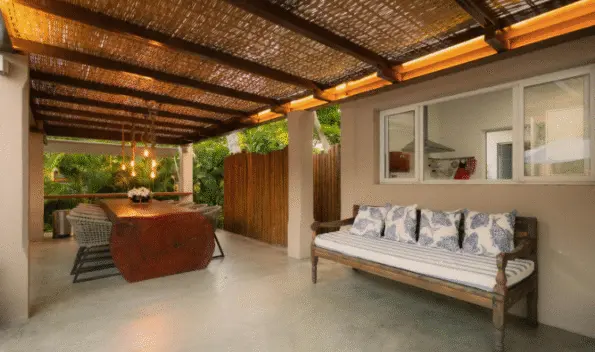
Adding a patio cover is one of the most practical ways to make your outdoor space more usable in Central Texas. With intense sun, sudden rain, and long summers, having shade matters. Homeowners often ask the same question: how much do patio covers cost in Austin?
At All Good Roofing and Additions, this is one of the first things we walk through during consultations, and the answer depends on several factors.
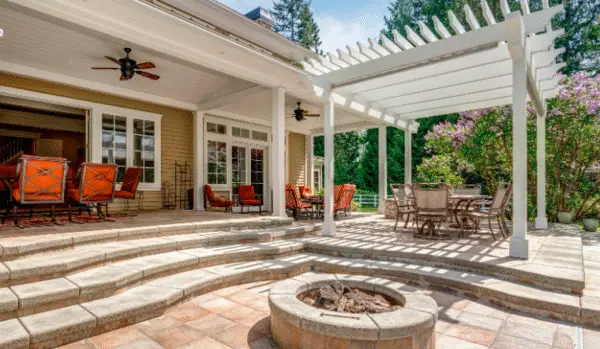
So, How Much Do Patio Covers Cost in Austin for Most Homes?
For most Austin-area homes, a patio cover built over an existing patio usually costs between $20 and $60 per square foot.
Meanwhile, a fully built covered patio project can range from $50 to $150 per square foot, including the slab, structure, roofing, finishes, and upgrades.
Most basic projects start at $5,000 to $10,000; mid-range builds are around $10,000 to $20,000; and larger custom installations go well past $20,000. That widespread budget range is normal.
A small attached cover with a straightforward roof tie-in is a very different job from a large insulated structure with lighting, fans, stain-grade cedar, electrical work, and a fresh concrete patio below it.
That is why homeowners searching “How much do patio covers cost in Austin?” will see numbers that seem all over the place. They are often looking at different project types without realizing it.
Why Patio Cover Prices Vary So Much in Austin
Austin is one of those markets where the details matter. Size is the obvious driver, but it is rarely the only one. The final cost usually shifts because of:
- Whether the patio already exists
- The material chosen for the cover
- Whether the cover is attached or freestanding
- How the roof ties into the house
- The need for footings, posts, and structural engineering
- Electrical add-ons like lights, outlets, and fans
- Drainage, grading, and concrete work
- Permit and review requirements
What Has the Biggest Impact on Price?
Several factors move the number more than homeowners expect.
1. Size of the cover
This is the biggest one. A 10×12 cover costs far less than a 16×20 or 20×20 structure because it uses less material, fewer labor hours, and often simpler engineering. But cost does not always scale perfectly by square foot. Smaller covers can still have fixed costs tied to permits, mobilization, and structural tie-ins.
2. Material choice
Material affects cost, maintenance, and appearance.
Common options include:
- Aluminum: Often lower maintenance and popular for patio cover systems
- Wood: Warm, traditional look, but usually more upkeep over time
- Insulated panels: Better heat control, often a smart fit for Austin summers
- Composite or upgraded systems: Higher finish level and often higher price
National pricing sources and contractor references consistently show insulated and upgraded systems costing more than simple open or non-insulated builds.
3. Roof style
A simple lean-to roof is usually less expensive than a gable design or a more complex roofline matched to the home. The more cuts, framing transitions, and finish details there are, the more labor the project requires.
4. Attachment to the home
An attached patio cover often needs careful integration with the existing structure. That can include flashing, ledger connection, roofing tie-ins, and water management. A freestanding cover may avoid some of those tie-in details, but it can still require more posts and footing work.
5. Site conditions
It’s where online estimates often fall apart. Sloped yards, limited access, old concrete, poor drainage, or a tight layout between fences and neighboring structures can all raise labor time. If crews have to remove part of an old patio, pour new footings, or work around utilities, the price changes.
6. Electrical and add-ons
Ceiling fans, can lights, recessed lighting, outlets, heaters, tongue-and-groove ceilings, gutters, screens, and staining or painting all add cost. These upgrades can be worth it, but they usually push a project from “shade structure” to “outdoor room.”
Why Austin Pricing Is Different
Austin is not just any market. Local weather, labor demand, permitting, and design expectations all shape patio cover costs.
The climate matters first. Austin has a long, hot season, with average July highs often in the mid-90s. That makes shade more valuable here than in milder parts of the country.
Homeowners are often less interested in decorative coverings and more in actual heat relief. That pushes more demand toward solid covers and insulated systems.
The second factor is how many Austin homeowners use their outdoor space. Patios here are often part of daily life, not just an occasional entertaining space. A cover is expected to block the sun, withstand rain, and make the area more comfortable for most of the year.
The third factor is permitting and code. In Austin, some smaller work may be exempt, but a typical permanent patio cover attached to a home or supported by structural framing usually falls into permit territory.
The City of Austin lists certain work as exempt, such as some small decks and certain window awnings, but those exemptions are narrow.
Is a Patio Cover Worth the Cost in Austin?
For many homeowners, yes. That answer has less to do with resale math alone and more to do with daily use.
A covered patio can make the backyard more comfortable, protect furniture, reduce glare through rear windows, and give the home a more finished outdoor area.
In Austin, where heat and sun are part of everyday life for much of the year, that added comfort matters. Some Austin-area outdoor living companies even point to covered patios as features that may support home value because they expand usable living space.
How to Keep Patio Cover Costs Under Control
Homeowners do not have to strip the project down to save money. The better move is to make smart decisions early.
Here are a few ways to do that:
- Pick the right size, not the biggest size. Bigger is not always better. Build for how the patio will really be used.
- Choose upgrades that matter most. Fans and lighting may matter more than decorative extras that do little for comfort.
- Think about heat exposure. In some homes, paying more for an insulated cover makes more sense than paying less for a structure that still feels too hot.
- Match the house without overbuilding. A clean, cohesive design matters. But there is no need to turn every patio into a luxury showpiece.
- Handle drainage and structural work the right way the first time. Cutting corners here can lead to repairs later.
Final Thoughts
So, how much do patio covers cost in Austin? In most cases, homeowners should expect a wide range based on size, materials, roof style, site conditions, and whether the goal is basic shade or a more finished outdoor living area.
A smaller, simpler cover may stay in the low thousands, while larger custom and insulated builds can move well into the five figures.
The best patio cover is not always the cheapest one. It is the one that fits the house, handles Austin weather well, and makes the space easier to use month after month.
All Good Roofing and Additions helps Austin homeowners build patio covers, roofing projects, and home additions that fit the way they actually live outdoors. Call (512) 458-4353 to get started with your project.