Austin weather is hard on outdoor structures. Heat, glare, heavy rain, hail, humidity, and sudden wind gusts all test the way a carport is built.
For homeowners comparing metal vs wood carports, the choice comes down to more than looks. All Good Roofing and Additions often sees how material, roof pitch, anchoring, and maintenance decide how long a carport protects vehicles and outdoor space.
How Metal vs Wood Carports Handle Austin Heat, Rain, and Storms
The short answer is that metal usually requires less upkeep in Austin’s weather, while wood can last well when it is properly designed, sealed, flashed, and maintained. That does not mean every metal carport is better than every wood carport.
A thin prefab metal cover with weak anchors can perform worse than a well-built wood structure. A wood carport with poor drainage can age faster than expected, even if the framing looked solid on day one.
That is why metal vs wood carports should be compared by performance, not just by material name.
Austin homeowners have to consider sun exposure, roof slope, fasteners, column placement, water runoff, wind uplift, termite risk, coating life, and how the carport connects to the driveway or the home. The right material matters, but the way it is built matters just as much.
Why Austin Weather Is Tough on Carports
Austin’s climate brings long hot stretches, humid days, sudden storms, and periods of heavy rain. That mix creates repeated expansion, contraction, drying, swelling, and surface wear.
A carport may look simple, but every post, panel, beam, screw, rafter, and joint is moving slightly as temperatures and moisture levels change.
The biggest weather stressors for Austin carports are intense sun, heavy rain, humidity, hail, wind uplift, termites, and leaf debris from local trees.
These issues often work together. Leaves can sit in a gutter, hold moisture against the edge of a roof, and make a small paint crack or fastener leak worse. Heat can dry out wood, and then a storm can push water into those checks.
This is why a carport should be judged over several seasons. The first year rarely tells the whole story. The fifth summer, third hailstorm, and first drainage issue are what reveal whether the material and design were chosen well.
Metal Carports: Practical Protection With Less Upkeep
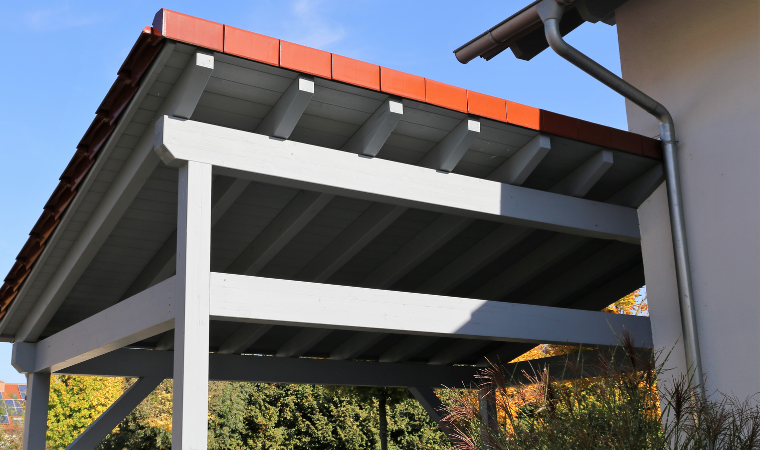
Metal carports are popular around Austin because they are practical. Aluminum and steel systems can create clean lines, long spans, and reliable shade without needing the same level of repainting or sealing that wood often needs.
For many homeowners, metal is the more forgiving choice.
In a metal vs wood carport comparison, metal usually wins for moisture resistance. Aluminum does not rot, and galvanized or coated steel can hold up well when the coating is intact and the frame is installed correctly.
Metal also does not attract termites, which is a major advantage in Central Texas.
Metal carports can also shed water quickly when the roof slope and panel layout are planned well.
A quality system can be paired with gutters, downspouts, and side panels for greater weather protection. That matters when the carport is near an entry door, a walkway, a garage wall, or a property line.
Still, metal is not perfect. Thin panels can dent from hail. Dark metal can get hot in direct sunlight. Cheap fasteners can back out or rust. Bare cut edges can corrode.
A poorly anchored metal carport can rattle, shift, or lift in high winds. The material is strong, but shortcuts show up quickly during Austin storms.
Wood Carports: Warm Style With More Responsibility
Wood carports bring a different kind of value. They can look like part of the home instead of an add-on. With the right design, a wood carport can match trim, fascia, rooflines, porch details, and neighborhood character.
Many Austin homes, especially older homes and custom properties, look natural with wood framing.
But the metal vs wood carports question changes once maintenance enters the picture. Wood needs protection from water and sun.
Paint, stain, and sealant are not decorative extras. They are the shield that keeps moisture from entering the material. Once water gets into exposed end grain, cracks, joints, or unsealed cuts, rot can begin.
Wood carports also need better detailing around the bases of the posts and the edges of the roof. Posts should not sit in standing water. Roof runoff should not constantly splash against the framing.
Trim should not trap moisture. Fascia and exposed rafter tails need regular attention. In Austin, a wooden carport can last a long time, but only if the owner is willing to maintain it.
Heat and Sun: Metal Handles UV Better, Wood Feels Warmer
Austin sun is one of the biggest reasons outdoor structures age early. UV exposure breaks down paint, dries wood, fades stains, and heats roof surfaces. It also affects comfort below the carport, especially on west-facing driveways.
Metal generally handles sun exposure better from a material standpoint. A baked-on finish or quality coating can resist fading and surface breakdown for years.
Aluminum also has an advantage because it does not split or dry out. Steel can perform well too, as long as the coating is protected and scratches are repaired.
Wood reacts differently. Heat dries it out, then humidity and rain add moisture back in. This cycle can lead to checking, splitting, cupping, and peeling paint.
South- and west-facing areas usually age faster because they get the hardest afternoon sun. A wood carport that looked great after installation may need fresh paint or stain sooner on those exposed sides.
Rain, Humidity, and Drainage: The Hidden Test
Rain does not just fall on a carport. It follows seams, collects behind trim, runs down posts, splashes off concrete, and sits in low spots. Drainage is often the difference between a carport that lasts and one that turns into a repair project.
For metal vs wood carports, water management is where metal has a clear edge. Metal panels do not absorb water. If the roof pitch is right and the seams are sound, water moves off the roof quickly.
Gutters can help control runoff, especially when the carport sits close to the house, a walkway, or a neighbor’s property line.
Wood can also handle rain when properly detailed, but it leaves less room for neglect. Any flat ledge, open joint, unsealed cut, or poorly flashed connection can hold moisture.
Over time, that moisture can soften the wood, lift paint, and invite pests. The problem often starts small. A little peeling paint near a joint can turn into a soft board after a few rainy seasons.
Final Thoughts
The metal vs wood carports debate does not have a simple answer, but Austin weather gives metal a clear advantage for homeowners who want strength with less upkeep.
Wood can still be a great choice when appearance matters, and maintenance is part of the plan. The real key is choosing the right structure for the property, then building it with proper slope, anchors, drainage, and weather protection.
All Good Roofing and Additions builds carports, patio covers (metal and wood), pergolas, sunrooms, and room enclosures for Austin-area homeowners. If you want help choosing a carport that suits your home and local weather, contact our team to discuss your options and get a quote.